Best GPS Watch for Running in 2026: Top 9 Picks Reviewed
As an Amazon Associate, we earn from qualifying purchases.
Choosing a GPS running watch usually starts with a moment of frustration: your phone slips around in your armband, your old watch loses signal under tree cover, or you just want real training data without needing a sports science degree to read it. The market is crowded, and the differences between models aren’t always obvious from a spec sheet. This guide compares nine current GPS running watches, from ultralight budget picks to premium multisport devices with satellite communication, so you can match a watch to how you actually train and what you’re willing to carry on your wrist.
Every watch here was chosen because it covers a distinct need: some runners want the lightest possible device for race day, others want deep recovery metrics, and a few want a watch that doubles as a smartwatch or safety device. Below you’ll find a comparison table, a breakdown of each watch, and guidance on what actually matters when picking one.
Quick Comparison
| Product | Best For | Standout Feature | Rating |
|---|---|---|---|
| COROS PACE 4 | Lightweight daily training | 32g weight, 41-hour GPS battery | 4.7/5 |
| Garmin Forerunner 70 | First-time GPS watch buyers | Simple interface, 13-day battery | 4.5/5 |
| Garmin Forerunner 170 | Everyday runners wanting Garmin Pay | AMOLED display with contactless payments | 4.8/5 |
| SUUNTO Run | Runners who want offline music | 4GB onboard music storage | 4.2/5 |
| Apple Watch Series 11 | iPhone users wanting an all-round device | ECG, hypertension notifications | 4.8/5 |
| Garmin Forerunner 265 | Structured training plans | Multi-band GPS with morning report | 4.7/5 |
| Garmin Forerunner 965 | Serious racers wanting maps | Titanium bezel, 23-day battery | 4.7/5 |
| Garmin Forerunner 970 | Triathletes and night runners | Built-in LED flashlight, phone calls | 4.7/5 |
| Garmin fēnix 8 Pro | Off-grid runners needing safety backup | Built-in inReach satellite communication | 4.5/5 |
1. COROS PACE 4 Ultralight Sport GPS Watch – Best for Lightweight Everyday Training
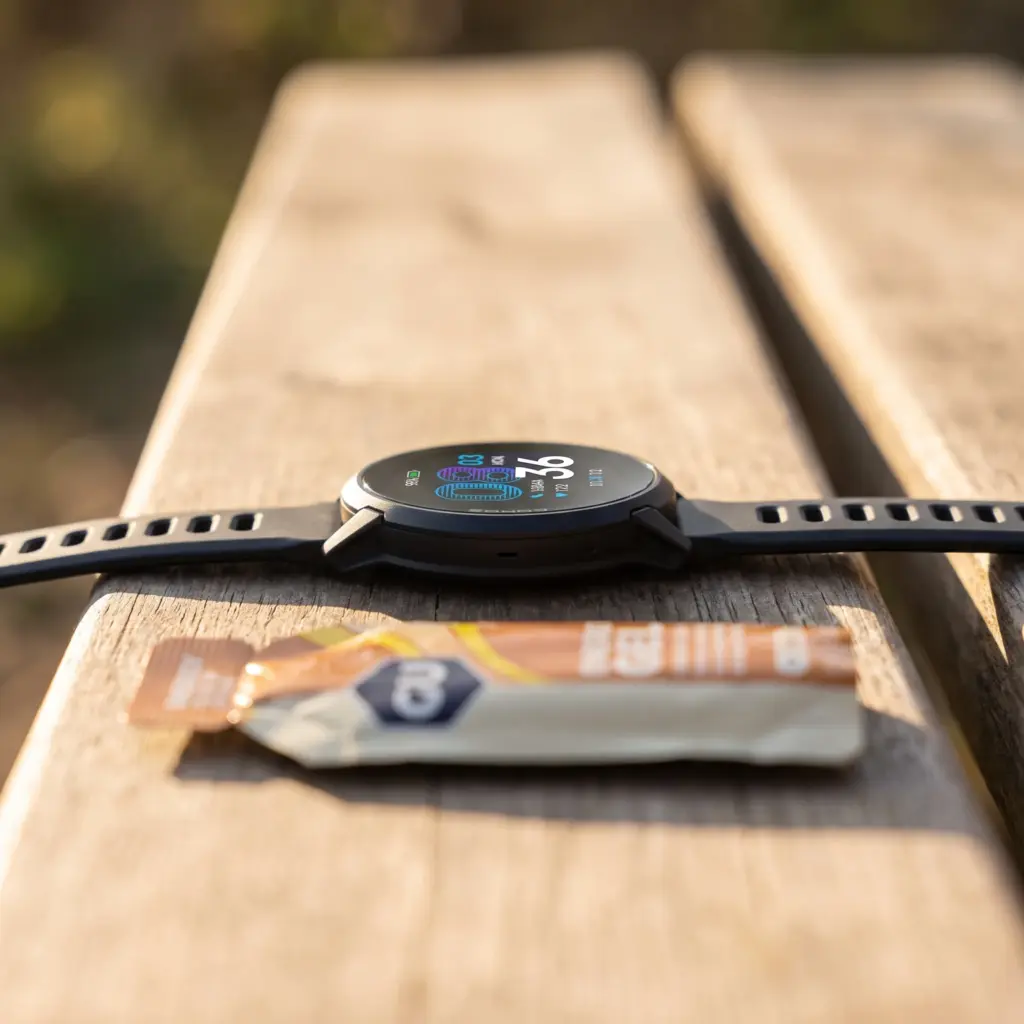
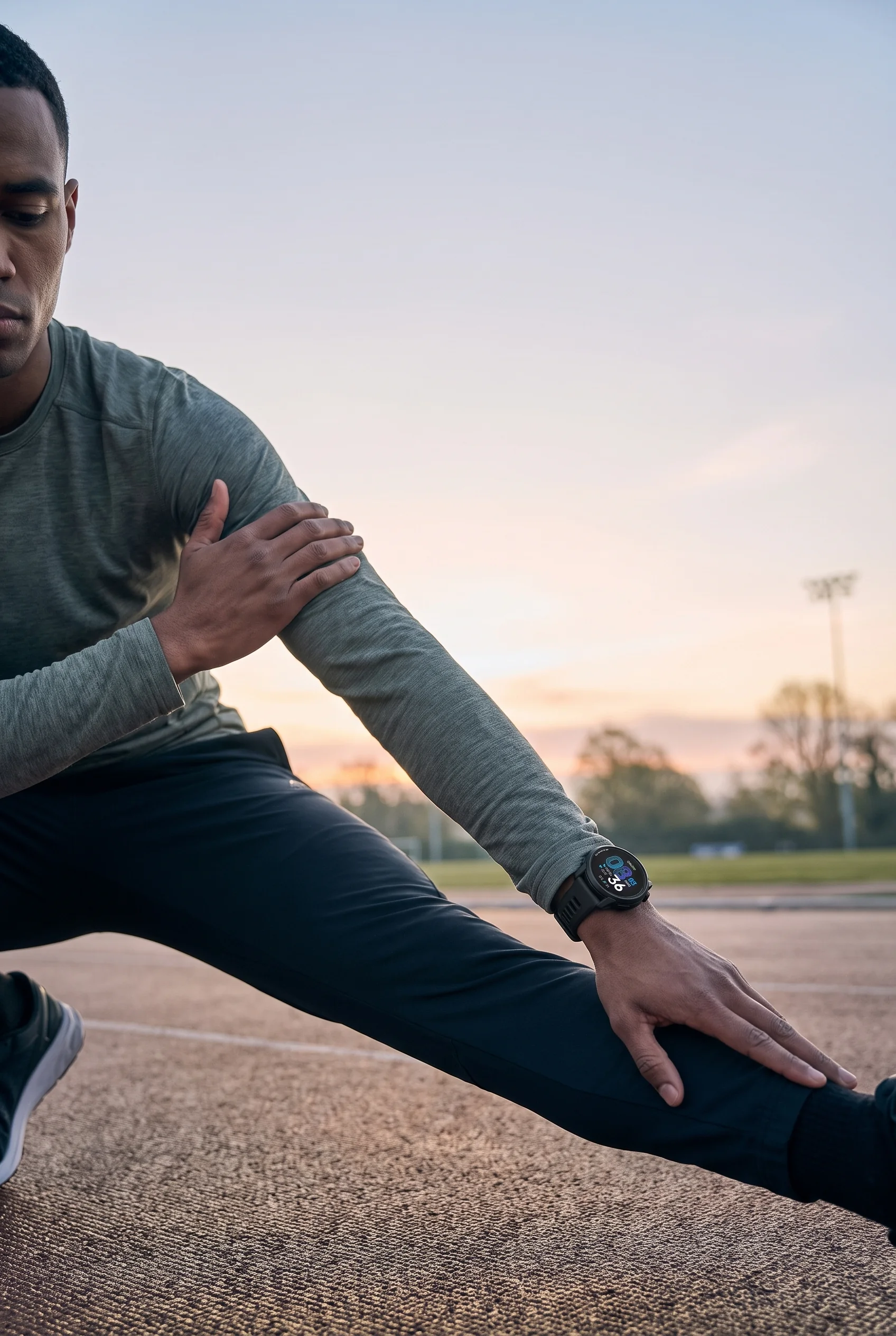
The COROS PACE 4 is built around one idea: a running watch shouldn’t feel like a running watch. At 32g with the nylon band and 11.8mm thick, it disappears on your wrist during long runs and is comfortable enough to wear overnight for sleep tracking. The 1.2″ AMOLED touchscreen is sharp and auto-adjusts brightness, so it stays readable whether you’re running at dawn or under midday sun.
Battery life is the real headline here. Up to 41 hours of continuous GPS use means marathon and even ultramarathon training blocks won’t leave you scrambling for a charger, and 19 days of daily use is generous for a watch this light. The addition of voice recording for training logs is a genuinely useful touch for runners who like to journal effort and conditions without stopping to type.
This suits runners who train frequently and want long battery life without the bulk of a multisport flagship. It’s less suited to anyone wanting built-in maps or a music player.
- Extremely light and thin for all-day wear
- Class-leading GPS battery life for the size
- Bright, easy-to-read AMOLED touchscreen
- Useful recovery and sleep metrics via the COROS app
- No built-in maps or offline music storage
Bottom line: A superb choice for runners who prioritize comfort and battery life over bells and whistles.
2. Garmin Forerunner 70 – Best for First-Time GPS Watch Buyers
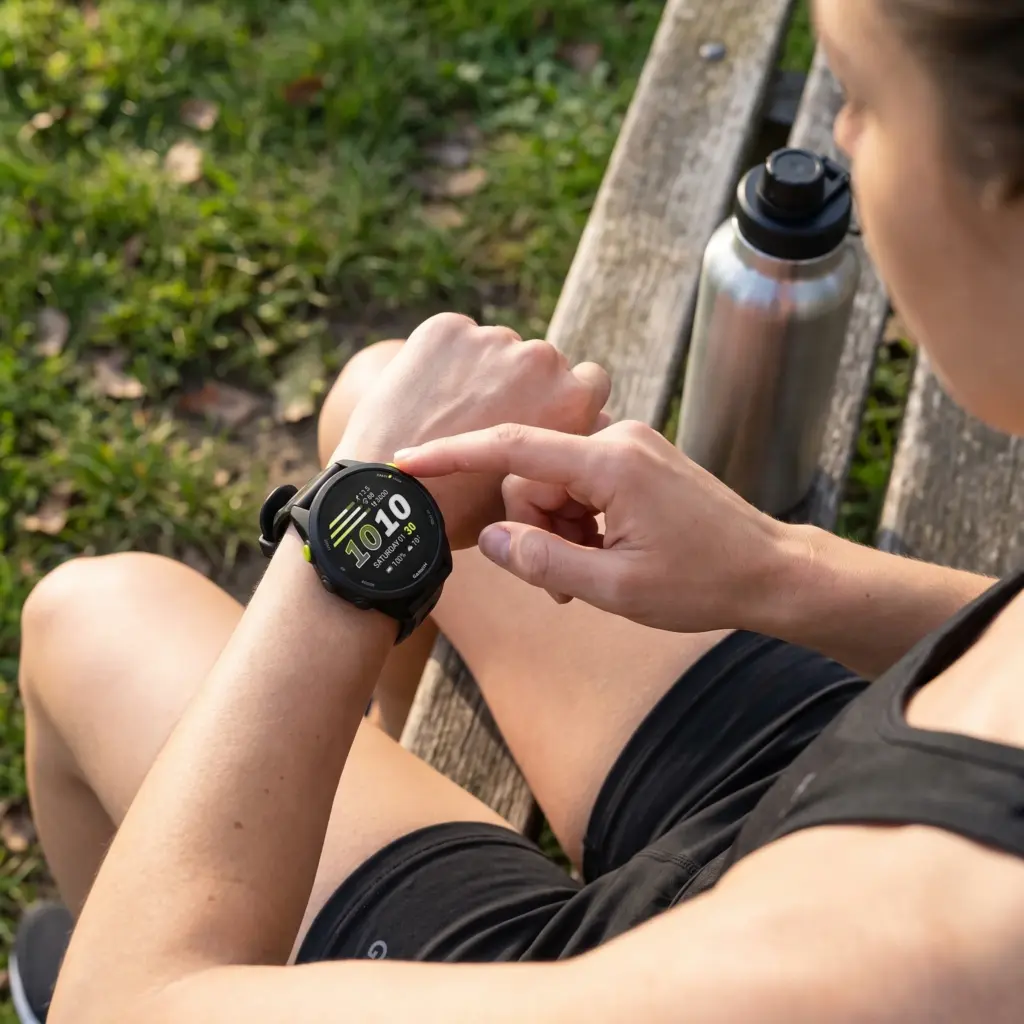
The Forerunner 70 is Garmin’s entry point into its running lineup, and it shows in the best way: it’s straightforward. The AMOLED touchscreen combined with physical buttons means you’re not fumbling through menus mid-run, and the lightweight build keeps it comfortable for daily wear, not just workouts.
Where it earns its keep is in the training intelligence Garmin has trickled down from pricier models. Personalized Garmin Coach plans, daily suggested workouts, training readiness, and sleep scoring all come standard. For someone who has never owned a GPS watch and doesn’t want to feel overwhelmed, this gives real coaching value without a steep learning curve.
Battery life of up to 13 days in smartwatch mode and 23 hours in GPS mode is solid for the category, though it trails some of the more expensive Garmin models on this list. It’s a strong pick for new runners building a habit, or anyone upgrading from a basic fitness tracker.
- Easy interface, ideal for GPS watch beginners
- Personalized coaching and recovery insights included
- Lightweight and comfortable for all-day wear
- Bright AMOLED display with button controls
- Battery life is shorter than higher-tier Forerunner models
Bottom line: The easiest way into serious running data without paying for features you won’t use yet.
3. Garmin Forerunner 170 – Best for Everyday Runners Wanting Payment Convenience
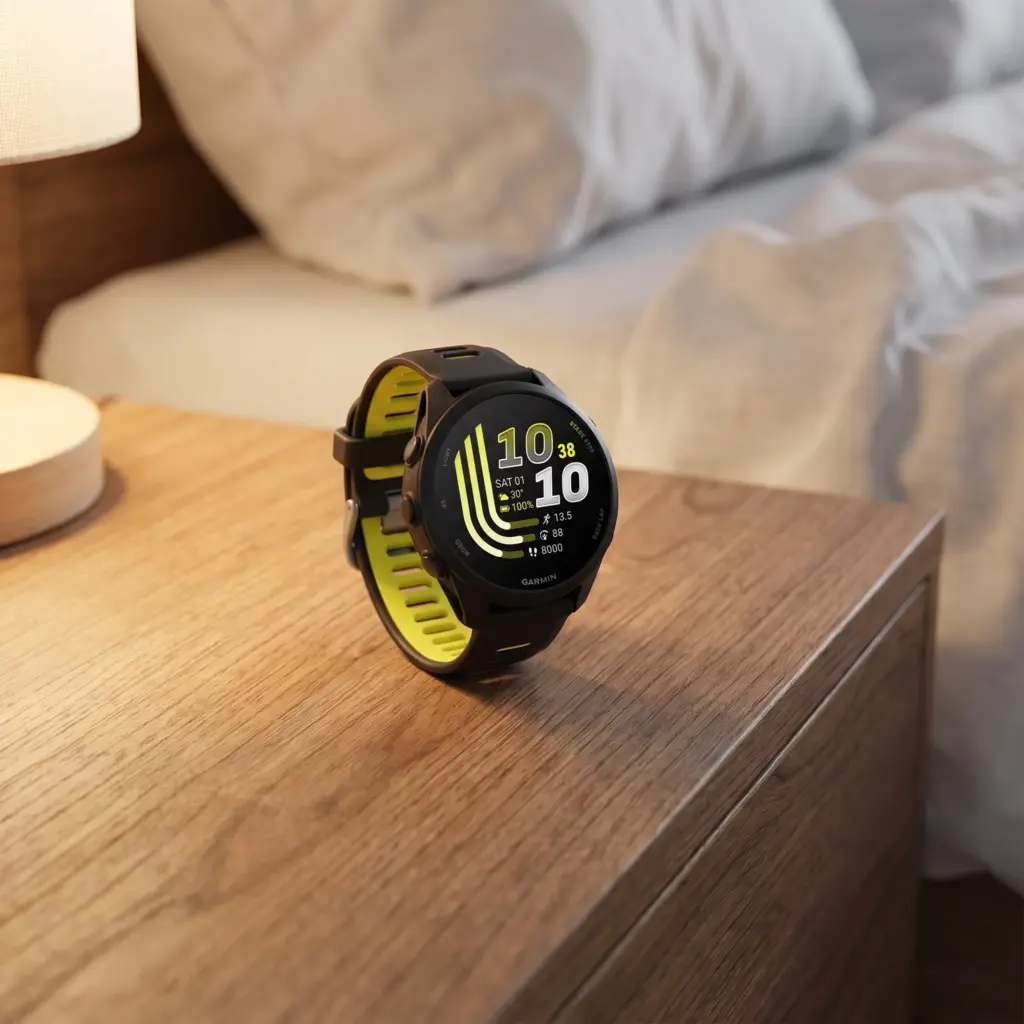
The Forerunner 170 sits just above the 70 in Garmin’s lineup, and the biggest practical addition is Garmin Pay, letting you leave your wallet and phone at home on a run and still grab a coffee or catch transit afterward. It keeps the same lightweight, AMOLED touchscreen design with button controls that makes Garmin’s running watches easy to use mid-stride.
Training-wise, it carries the same suite of Garmin Coach plans, daily suggested workouts, and training readiness scoring found across the range, so you’re getting genuine coaching depth, not just a fitness tracker with GPS bolted on. Battery life runs up to 10 days in smartwatch mode and 20 hours in GPS mode, slightly less than the Forerunner 70 but still reasonable for weekly training.
This is a good fit for runners who want a slightly more premium daily-use watch and value the contactless payment feature. It’s rated highly by owners, and the black/amp yellow band gives it a bit more visual character than most understated black running watches.
- Garmin Pay support for on-the-go payments
- Strong training and recovery insight suite
- Lightweight, comfortable AMOLED touchscreen design
- Highly rated by existing owners
- Shorter battery life than the Forerunner 70 and higher-end models
Bottom line: A well-rounded everyday running watch with a genuinely useful payment feature most rivals skip.
4. SUUNTO Run – Best for Runners Who Want Offline Music
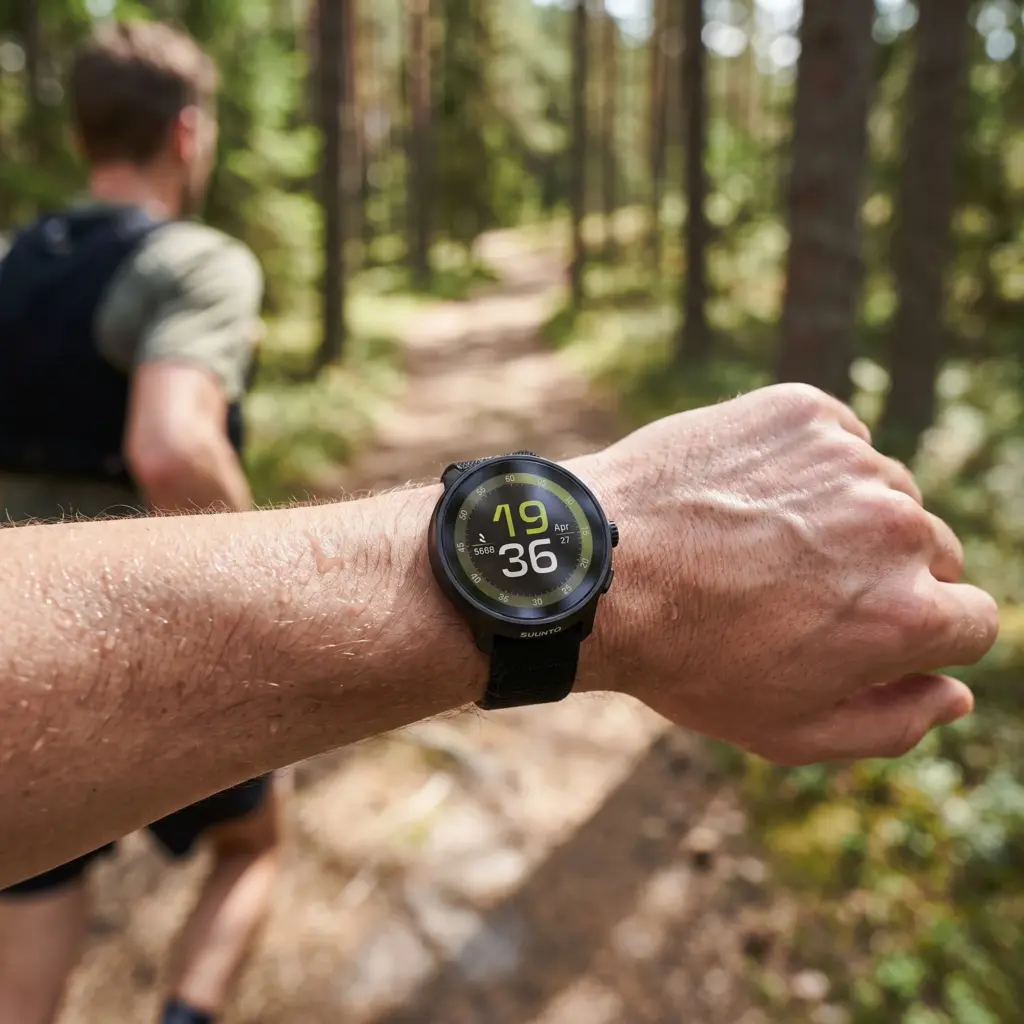
The SUUNTO Run stands out by including 4GB of onboard storage for offline music, a feature that’s surprisingly rare at this level. Pair a set of Bluetooth earbuds and you can leave your phone at home entirely, which matters if you find carrying a phone on runs annoying or impractical.
Beyond music, it’s a capable all-rounder with a 1.32″ AMOLED touchscreen, dual-frequency GPS for more accurate positioning in built-up or tree-covered areas, and training load metrics including Training Stress Score. Battery life is rated at up to 12 days of daily use and 20 hours in GPS training mode, which is respectable though not class-leading. Fast charging helps offset shorter GPS endurance for those doing back-to-back long sessions.
It supports over 34 sport modes, so triathletes and gym-goers get flexibility beyond pure running. The lower customer rating compared to others on this list suggests some inconsistency in software polish, which is worth knowing going in.
- Onboard music storage for phone-free runs
- Dual-frequency GPS for improved accuracy
- Training load and recovery tracking included
- Wide range of supported sports
- Lower average customer rating than most competitors here
Bottom line: A solid pick specifically for runners who want music built into the watch itself.
5. Apple Watch Series 11 – Best for iPhone Users Wanting an All-Round Smartwatch
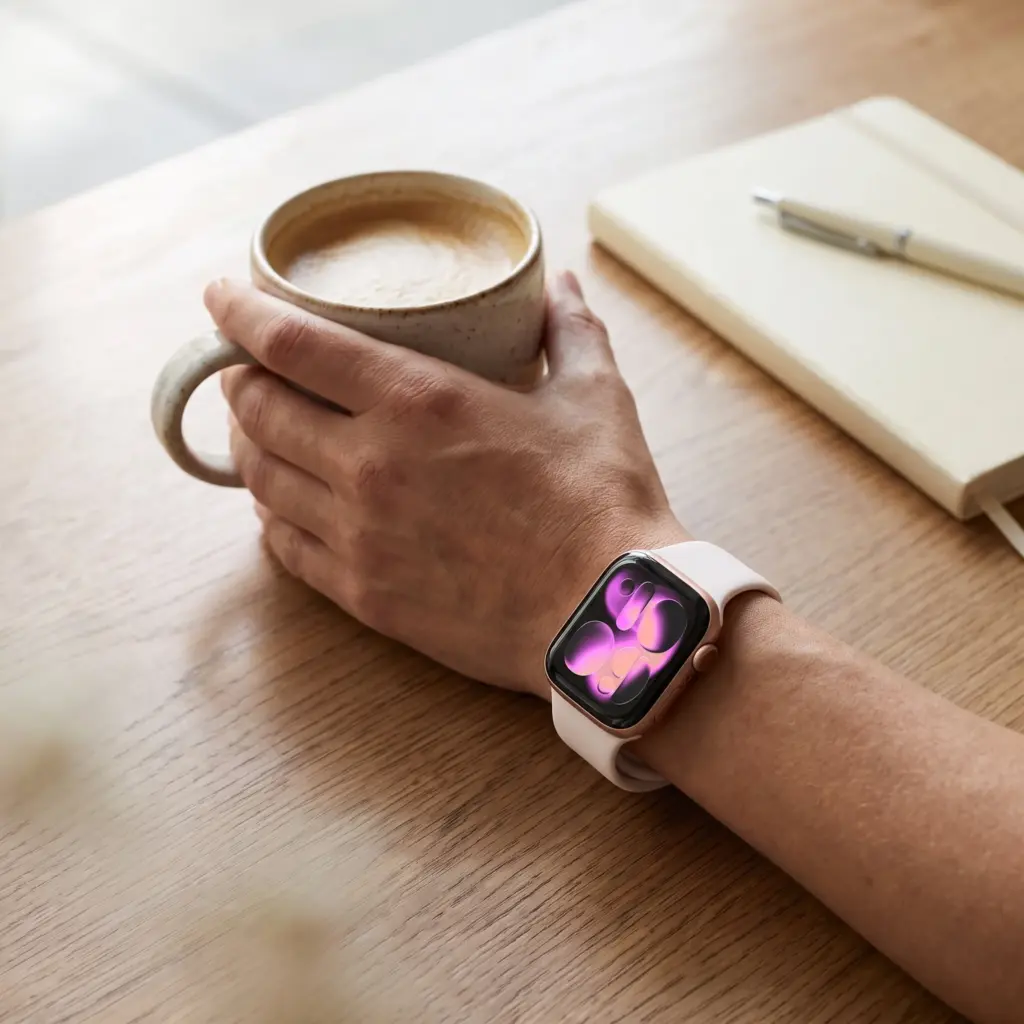
The Apple Watch Series 11 isn’t a dedicated running watch first, it’s a health and communication device that happens to run excellent fitness software. For runners already embedded in the Apple ecosystem, that trade-off often makes sense: you get ECG readings, hypertension notifications, fall detection, and a genuinely useful sleep score alongside solid workout tracking.
Fitness-specific features like Pacer, Heart Rate Zones, training load, and the Apple Intelligence-powered Workout Buddy give real-time coaching cues during runs. The always-on AMOLED-style display and durable, scratch-resistant glass mean it holds up to daily training and daily life equally well. It’s also comfortable enough to wear continuously, day and night.
The trade-off is battery life: up to 24 hours of normal use means daily charging is mandatory, a stark contrast to the multi-day and multi-week batteries found on the Garmin, COROS, and SUUNTO watches here. Runners doing ultra-distance training without charging access should look elsewhere. But for shorter daily runs and everything else a smartwatch does, it’s hard to beat.
- Comprehensive health monitoring including ECG and hypertension alerts
- Strong running-specific coaching tools
- Durable, scratch-resistant build with water resistance up to 50m
- Seamless integration with iPhone
- Battery life is far shorter than dedicated running watches
Bottom line: The best choice if you want one device to handle running, health monitoring, and daily smartwatch duties.
6. Garmin Forerunner 265 – Best for Structured Training Plans
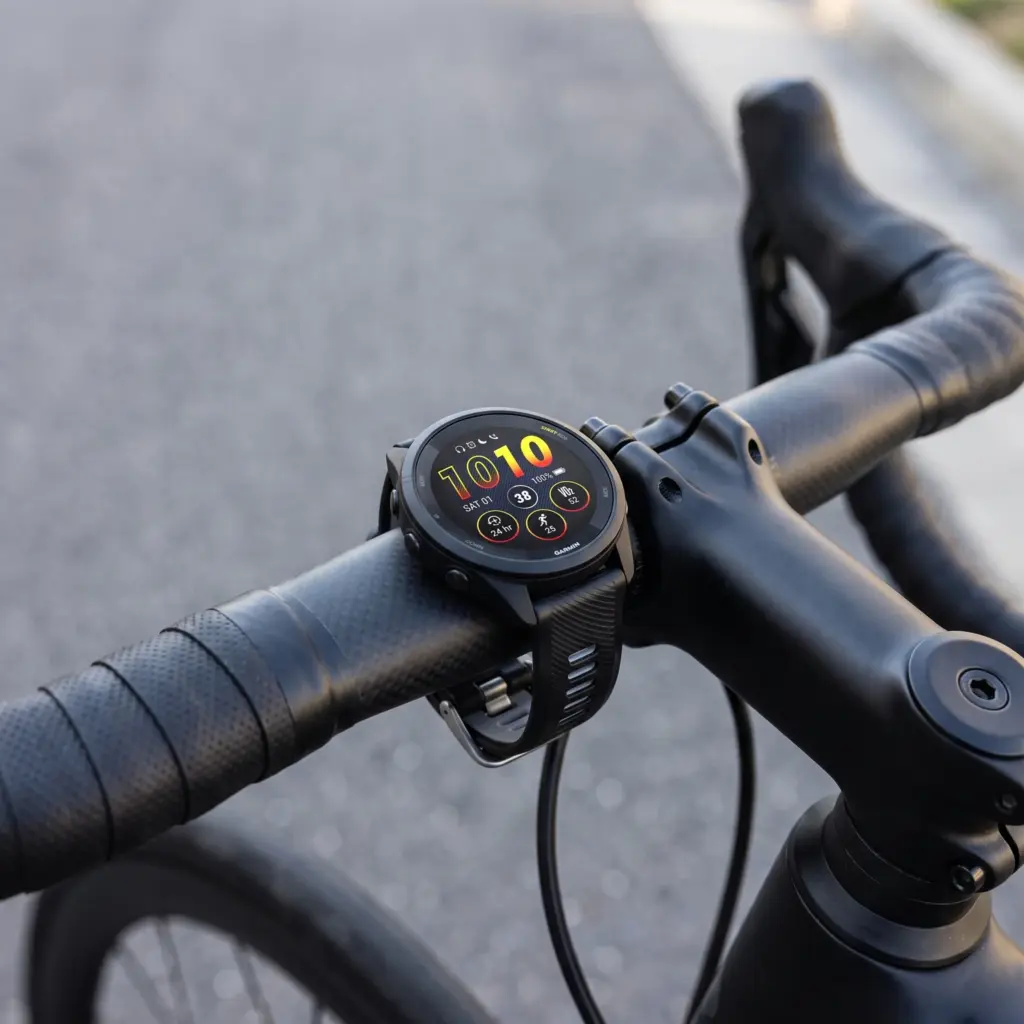
The Forerunner 265 is aimed squarely at runners who are training toward something specific, whether that’s a 10K or a marathon. The race widget lets you input your event and course, then generates daily suggested workouts that adapt as your race approaches, taking guesswork out of race week tapering and pacing.
The 1.3″ AMOLED touchscreen is bright and colorful, and the built-in multi-band GPS improves accuracy in tricky environments like cities with tall buildings. The morning report feature is a nice daily touchpoint, summarizing sleep, recovery, training readiness, and weather in one glance before you even lace up. With over 30 activity profiles, it also handles triathlon training, cycling, and open-water swimming without missing a beat.
Battery life of up to 13 days in smartwatch mode and 20 hours in GPS mode sits comfortably in the middle of the Garmin lineup. Safety features like incident detection and Assistance messaging add peace of mind for solo runners.
- Race-specific training plans that adapt automatically
- Multi-band GPS for improved accuracy
- Morning report consolidates key daily metrics
- Broad sport profile support beyond running
- No built-in maps, unlike the higher-tier Forerunner models
Bottom line: Ideal for runners training toward a specific race who want adaptive guidance along the way.
7. Garmin Forerunner 965 – Best for Racers Who Want Built-In Maps
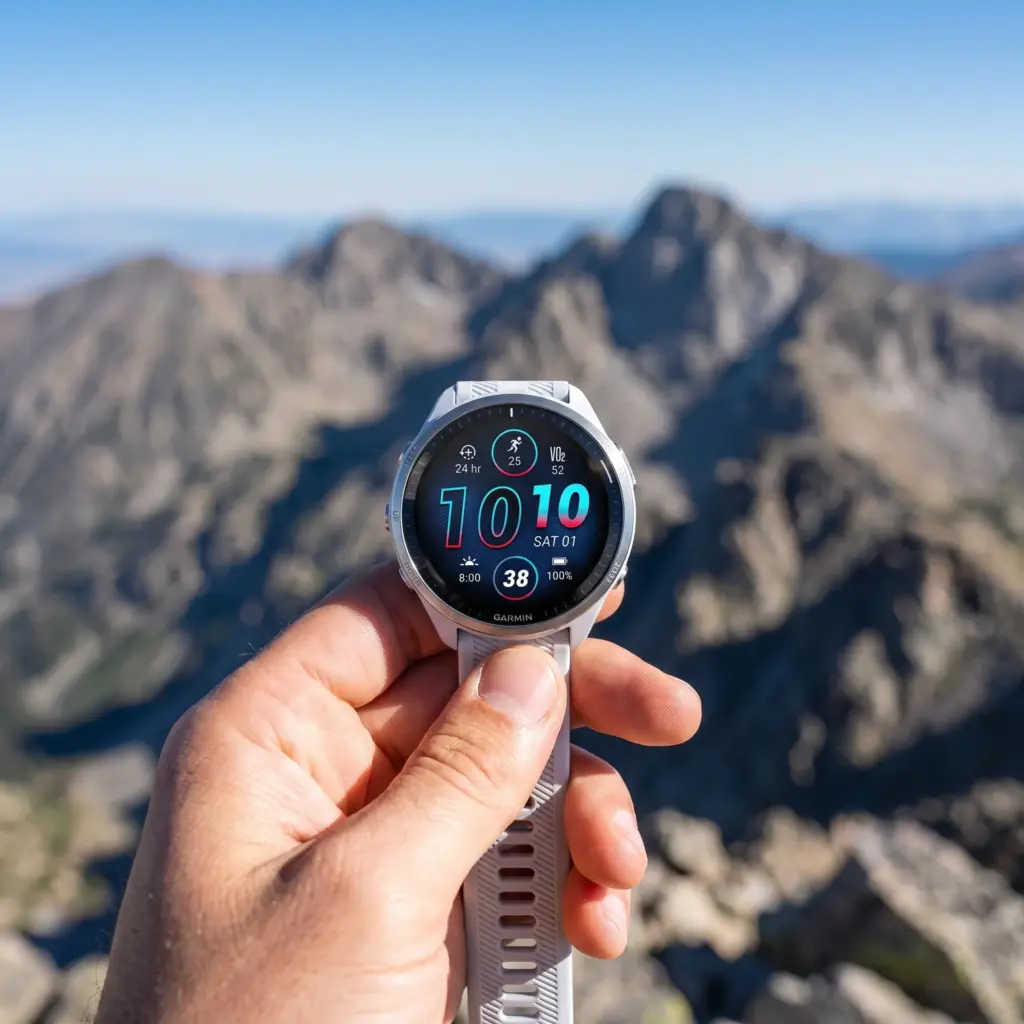
The Forerunner 965 steps up with a lightweight titanium bezel and full-color, built-in maps, letting you run unfamiliar routes with confidence instead of relying on memorized turns or a phone. Multi-band GPS keeps tracking accurate even in dense urban environments or under tree cover, which matters most on race day when precise pacing counts.
Battery life is genuinely impressive for a mapping watch: up to 23 days in smartwatch mode and 31 hours in GPS mode, so multi-day training weeks or long race weekends don’t require constant charging. It also supports multisport profiles for triathlons, duathlons, and swimruns, making it a viable option for runners who cross-train seriously rather than exclusively running.
The training readiness score and morning report carry over from other Forerunner models, giving consistent daily guidance. This is a watch built for runners who’ve outgrown entry-level features and want mapping and multisport versatility without jumping to Garmin’s most expensive tier.
- Full-color built-in maps for route confidence
- Long battery life relative to its feature set
- Lightweight titanium build
- Strong multisport and triathlon support
- Premium features come with a steeper learning curve than entry Forerunners
Bottom line: A strong middle-ground pick for runners who want maps and multisport depth without going top-tier.
8. Garmin Forerunner 970 – Best for Triathletes and Night Runners
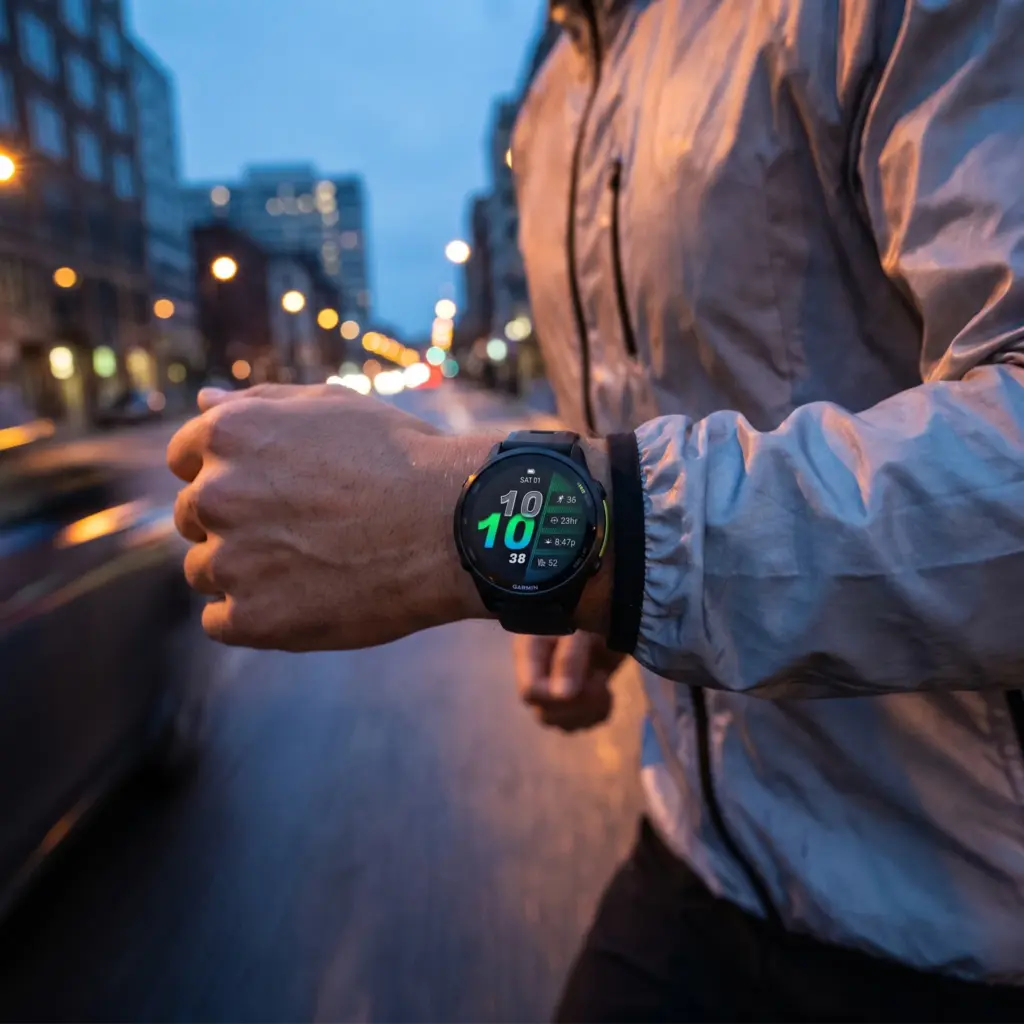
The Forerunner 970 adds a genuinely practical feature rarely seen on running watches: a built-in LED flashlight, useful for early morning or late-night runs on unlit roads. Paired with the brightest AMOLED display Garmin has put on this series, plus a titanium bezel and sapphire lens, it feels like a premium instrument built for serious daily use.
Running-specific metrics go deeper here too, with running economy and step speed loss data available when paired with a compatible heart rate monitor (sold separately). Multi-band GPS with full-color maps and dynamic round-trip routing means you can deviate from a planned route mid-run and still get directions back to your target mileage, a nice touch for runners who like spontaneity.
The built-in microphone and speaker let you take calls from your wrist, and the ECG app adds a layer of health monitoring beyond pure training data. Battery life of up to 15 days in smartwatch mode and 26 hours in GPS mode is strong for a watch with this many features running simultaneously.
- Built-in LED flashlight for low-light running
- Advanced running economy metrics with compatible HRM
- Full-color maps with dynamic round-trip routing
- Phone calls and ECG app built into the watch
- Some advanced metrics require an additional heart rate monitor purchase
Bottom line: A feature-dense premium watch best suited to triathletes and runners who train in low light.
9. Garmin fēnix 8 Pro – Best for Off-Grid Runners Needing Satellite Safety
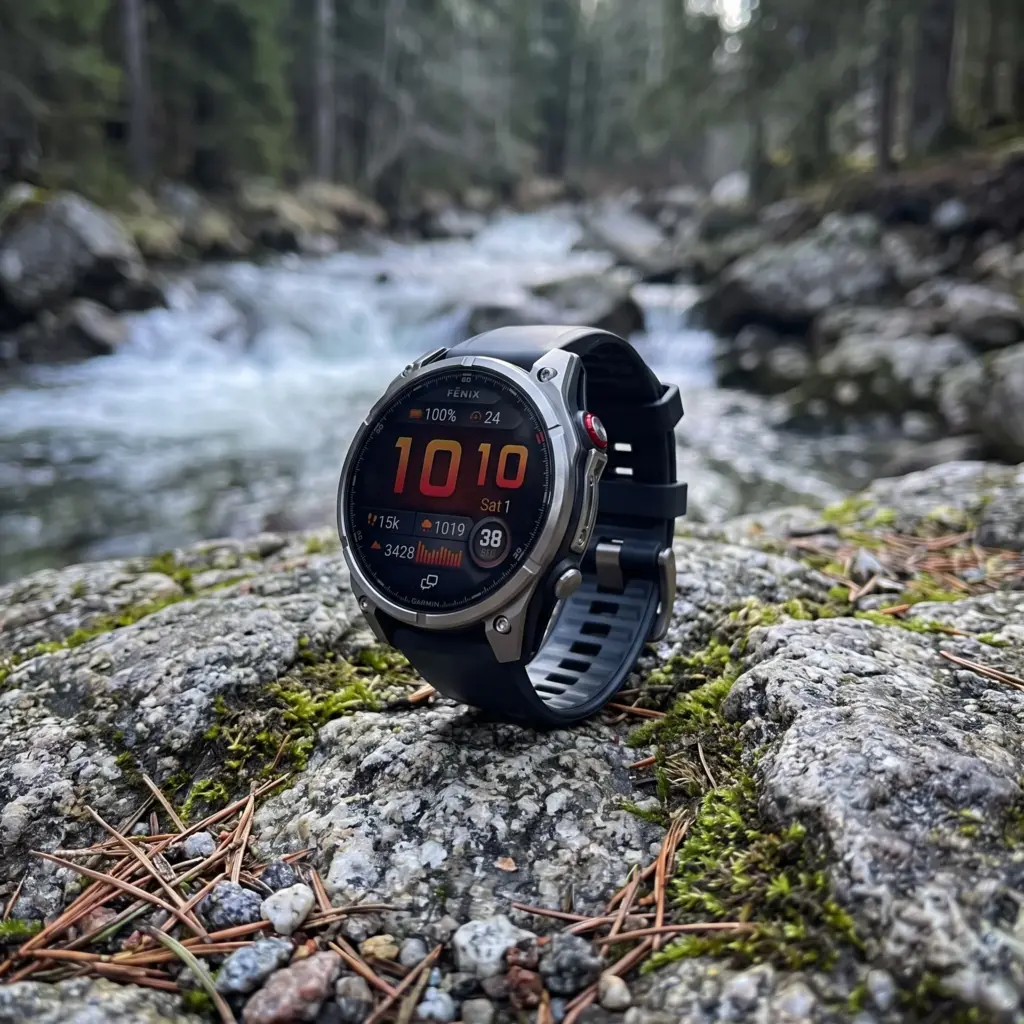
The fēnix 8 Pro is less a running watch and more a rugged multisport instrument that happens to be excellent for running, built around Garmin’s inReach satellite technology. That means two-way satellite communication and SOS messaging even when you’re far from cell coverage, a genuine safety net for trail runners who train in remote areas.
The build quality reflects its premium positioning: a titanium bezel, scratch-resistant sapphire lens, and a bright 1.4″ AMOLED display that holds up to rough conditions. LTE connectivity lets you leave your phone behind entirely while still messaging contacts or sharing your live location, and preloaded TopoActive maps with relief shading make off-trail navigation far less stressful.
An active satellite subscription is required to use the inReach features, which adds an ongoing consideration beyond the watch itself. For runners who don’t train off-grid, much of this capability will go unused, making it overkill compared to the other Forerunner models on this list. But for ultra and trail runners venturing into remote terrain, the safety features alone can justify the investment.
- Built-in satellite SOS and two-way messaging
- Rugged titanium and sapphire construction
- Preloaded topographic maps for off-trail navigation
- Comprehensive health and training monitoring
- Requires an active satellite subscription for key safety features
Bottom line: The safest choice for trail and ultra runners who regularly train beyond cell coverage.
How to Choose the Right GPS Watch for Running
GPS Accuracy and Signal Type
Multi-band or dual-frequency GPS, found on watches like the Forerunner 265, 965, 970, and the SUUNTO Run, delivers noticeably better accuracy in cities, forests, and canyons compared to standard single-band GPS. If you run mostly in open areas, standard GPS is fine. If you regularly run through downtown streets or under heavy tree cover, prioritize a multi-band model.
Battery Life vs. Weight
There’s a direct trade-off between how long a watch lasts and how light it feels. The COROS PACE 4 wins on weight and still manages exceptional GPS endurance, while feature-rich watches like the fēnix 8 Pro and Forerunner 970 are heavier but pack in mapping, flashlights, and satellite communication. Decide whether comfort or capability matters more for your training style.
Training Depth You’ll Actually Use
Training readiness, recovery time, HRV status, and adaptive coaching plans are genuinely useful, but only if you’ll look at them. A beginner runner may get more value from the simpler Forerunner 70 than from wrestling with the deeper metrics on a Forerunner 965. Be honest about how much data you want to engage with daily.
Ecosystem and Extra Features
If you’re an iPhone user who wants one device for everything, the Apple Watch Series 11 makes sense despite its shorter battery life. If you run off-grid or in remote areas, satellite safety features on the fēnix 8 Pro outweigh almost everything else. Match the watch to your actual running environment, not just its spec sheet.
Frequently Asked Questions
Do I need multi-band GPS for running?
Not necessarily. Multi-band GPS improves accuracy in challenging environments like cities with tall buildings, dense forests, or narrow canyons where satellite signals can bounce or get blocked. If you mostly run on open roads, tracks, or trails without much overhead obstruction, standard GPS will track your pace and distance accurately enough for most training purposes.
How long should a GPS running watch battery last?
It depends on your training volume. Casual runners doing a few sessions a week can get by with shorter battery life, like the Apple Watch’s 24-hour smartwatch mode, since daily charging fits their routine. Marathon or ultra-distance trainees benefit from watches offering 20+ hours in GPS mode and multi-day standby, so charging doesn’t interrupt back-to-back long runs or race weekends.
Is an AMOLED display better than other screen types for running?
AMOLED displays, used across every watch in this guide, offer vibrant colors and sharp detail, making data easier to read at a glance mid-run. They generally use more battery than simpler screens, which is why manufacturers balance them with power-saving modes and always-on display options. For most runners, the readability benefit outweighs the modest battery trade-off.
Can I use these watches without a smartphone?
Most function fine for basic GPS tracking without a phone nearby, syncing data later. However, features like LiveTrack, Assistance messaging, and smartphone notifications require a paired phone. The Garmin fēnix 8 Pro is unique here, offering LTE and satellite connectivity that lets you message and get help without carrying a phone at all, provided you have an active subscription.
Which running watch is best for a beginner?
The Garmin Forerunner 70 is designed specifically for runners new to GPS watches, offering an intuitive interface, useful coaching plans, and recovery insights without overwhelming menus. It gives new runners real training guidance without the complexity or investment of higher-tier models like the Forerunner 965 or fēnix 8 Pro, which are built for more experienced, data-hungry athletes.
Final Verdict
For most runners, the Garmin Forerunner 265 is the strongest overall pick. It balances multi-band GPS accuracy, adaptive race training plans, and a comfortable AMOLED display without tipping into the complexity or bulk of Garmin’s top-tier models. It suits everyone from committed 10K runners to first-time marathoners.
For shoppers watching their spending, the COROS PACE 4 is the clear budget pick. Its featherweight build and exceptional battery life rival watches costing considerably more, and it covers the essentials, GPS accuracy, recovery tracking, and daily wearability, without unnecessary extras. Either way, matching the watch to how and where you actually run matters more than chasing the longest spec sheet.