Best Dwarf Stock Fruit Trees for Patios and Small Gardens
A strong dwarf fruit tree choice pairs a genuinely compact habit with a fruit type and growing setup that suit your space, whether you have a patio, container, or small garden. This selection includes a grafted dwarf peach, compact figs, a dwarf pomegranate, a dwarf mulberry, and other live fruit plants. The listings vary in useful ways: some state a mature size or shipped height, while others describe container use, cold tolerance, or a multi-plant bundle.
Those details matter because “dwarf” alone does not tell you how large a plant will become or whether it suits your climate. Start by matching the stated growth habit and planting format to your space, then check care needs and shipping restrictions before choosing.
GREEN BEAR Dwarf Honey Babe Peach is the best overall choice because the listing explicitly identifies it as a dwarf grafted fruit tree and gives a substantial 5–7-foot, 5-gallon format. It is described as ready for planting in a 15-gallon-or-larger container or in the ground, making its intended setup unusually clear. Choose it if you want a peach and can accommodate that stated size; for smaller containers, the compact fig listings offer more specific small-space guidance.
Our Top Picks
 Best Overall
Explicitly a dwarf grafted peach, it arrives 5–7 feet tall in a 5-gallon format and is described for a 15-gallon-or-larger container or ground planting.
View on Amazon Best Compact Fig
Its compact dwarf habit suits pots and patios, while the listing identifies cold tolerance and both breba and fall crops.
View on Amazon Smallest Stated Size
Greenwood Nursery Fignomenal Fig
The listing states a maximum height and spread of 30 inches and describes container growing outdoors in summer with indoor movement for cooler seasons.
View on Amazon- Best Patio Shrub Golden Sprout Dwarf Pomegranate
- Hardiest Cherry GURNEY'S Romeo Bush Cherry
Compare the Dwarf Fruit Tree Picks
| # | Product | Weight | Buy |
|---|---|---|---|
| 1 | 1. GREEN BEAR Honey Babe PeachBest Overall | 20 lb | View on Amazon |
| 2 | 2. Little Ruby Dwarf FigBest Compact Fig | — | View on Amazon |
| 3 | 3. Greenwood Nursery Fignomenal FigSmallest Stated Size | — | View on Amazon |
| 4 | 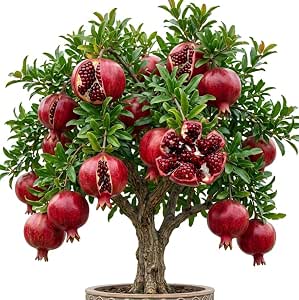 4. Golden Sprout Dwarf PomegranateBest Patio Shrub | 8 oz | View on Amazon |
| 5 |  5. Dwarf Everbearing MulberryExtended-season mulberry picking | 8 oz | View on Amazon |
| 6 |  6. GURNEY'S Romeo Bush CherryHardiest Cherry | — | View on Amazon |
| 7 |  7. Red Lady Dwarf PapayaWarm-climate papaya containers | 11.2 oz | View on Amazon |
| 8 |  8. Brighter Blooms Owari MandarinPatio citrus for cooler dips | — | View on Amazon |
| 9 |  9. CZ Grain Orchard Starter KitThree-type orchard starter | 2 lb | View on Amazon |
| 10 |  10. HARINI Black Cherry PlantCold-zone cherry starter | 8 oz | View on Amazon |
Detailed Reviews: Best Dwarf Stock Fruit Trees
#1 · Best Overall
1. GREEN BEAR Honey Babe Peach
- Weight: 20 lb
Best for: Container-ready peach starter.
Why it ranks #1: Explicitly a dwarf grafted peach, it arrives 5–7 feet tall in a 5-gallon format and is described for a 15-gallon-or-larger container or ground planting.
A four-year-old grafted Dwarf Honey Babe peach arrives at 5–7 feet in a 5-gallon size, giving buyers a more established fruit-tree starting point than a tiny seedling. The listing says it is ready for planting in a 15-gallon-or-larger container or in the ground, supporting either patio or garden placement.
The grafted tree is presented for fruit taste, flavor, yield, and quality, making those the central reasons to choose this peach rather than an unspecified ornamental. Its 5–7-foot height and 5-gallon size provide a substantial starting plant, while the stated 15-gallon minimum gives container growers a clear planting threshold. Ground planting is also listed, so buyers can choose a permanent garden spot instead of committing to container growing; size and color may vary.
- Four-year-old grafted Dwarf Honey Babe peach
- Listed height is 5–7 feet
- Ready for 15-gallon-or-larger containers
- Can be planted in the ground
- Container planting requires at least a 15-gallon vessel.
Skip it if you need a smaller starter plant; the listed tree is already 5–7 feet tall and requires a 15-gallon-or-larger container for pot growing.
This suits growers seeking a substantial grafted peach for a large patio container or garden planting, especially when fruit flavor and yield matter. Allow room for the stated 15-gallon minimum, and expect some variation in size and color.
Full product details
| Brand | GREEN BEAR |
|---|---|
| Color | Dwarf Honey babe Peach |
| Item Weight | 20 pounds |
| Manufacturer | Green Bear |
Listed on Amazon as: 4 Year Old Grafted Fruit Tree (Dwarf Honey Babe Peach, 5-7FT 5Gal for 15 Gallon or Ground Planting)
View on Amazon#2 · Best Compact Fig
2. Little Ruby Dwarf Fig
Best for: Compact two-crop fig option.
Why it ranks #2: Its compact dwarf habit suits pots and patios, while the listing identifies cold tolerance and both breba and fall crops.
Little Ruby combines a compact dwarf habit with both an overwintering breba crop and a fall harvest, giving container and small-garden growers two crop windows to look forward to. Its amber-mauve fruit with strawberry-pink centers also offers a distinctive appearance, while the listing notes performance in cooler summer climates.
The compact growth habit supports pots, patios, and small garden spaces, and the listed bonsai suitability adds another option for growers managing a very limited footprint. Little Ruby is described as producing an overwintering summer breba crop plus a reliable fall crop, extending the harvest beyond one season. Its sweet bite-sized fruit has amber-mauve skin and a strawberry-pink center. The listing also calls the variety cold tolerant and says it performs well in cooler-summer climates, without supplying a numerical hardiness range.
- Compact dwarf fig suitable for pots and patios
- Listed as bonsai suitable
- Produces breba and fall crops
- Sweet fruit has amber-mauve skin and pink centers
- No numerical cold-hardiness range is provided in the listing.
Skip it if you need a stated numerical hardiness zone or temperature threshold; the listing describes cold tolerance without giving either figure.
This fits fig growers seeking a compact plant for a patio pot, small garden, or bonsai project, with two listed crop periods. Choose it for its stated cooler-summer performance, while recognizing that no numerical cold limit is supplied.
Full product details
| Brand | Japanese Maples and Evergreens |
|---|---|
| Color | Purple |
| Manufacturer | Japanese Maples and Evergreens |
| Material Feature | Live Ficus carica ‘Little Ruby’ plant, nursery grown, non-GMO, edible fruit tree, compact deciduous fig variety See more |
| Material Features | Live Ficus carica ‘Little Ruby’ plant, nursery grown, non-GMO, edible fruit tree, compact deciduous fig variety |
| Special Features | Compact dwarf habit, sweet amber-mauve fruit, strawberry pink flesh, cold tolerant variety, breba and fall crop producer, container friendly, bonsai suitable |
| Care Instructions | Plant in full sun in well-draining soil. Water regularly during active growth. Prune in late winter to maintain size and encourage fruiting. Protect container plants in extreme winter cold. See more |
| Special Feature | Compact dwarf habit, sweet amber-mauve fruit, strawberry pink flesh, cold tolerant variety, breba and fall crop producer, container friendly, bonsai suitable See more |
Listed on Amazon as: Ficus carica ‘Little Ruby’ Dwarf Fig Tree – Compact Hardy Fig – Sweet Amber Mauve Fruit – Strawberry Pink Center – Great for Containers & Bonsai
View on Amazon#3 · Smallest Stated Size
3. Greenwood Nursery Fignomenal Fig
Best for: Indoor-outdoor miniature fig.
Why it ranks #3: The listing states a maximum height and spread of 30 inches and describes container growing outdoors in summer with indoor movement for cooler seasons.
Fignomenal grows to a listed maximum of 30 inches tall and equally wide, making this dwarf fig a particularly compact option for container growers. The listing says it can spend summer outdoors and move indoors for cooler seasons, while its self-fertilizing description and year-round flowering and fruiting support flexible placement.
The 30-inch height and spread give buyers concrete space requirements for a container or compact growing area, and the stated summer-outdoor, cooler-season-indoor workflow offers a way to move the plant as seasons change. Its self-fertilizing trait means the listing does not require another fig for that function, while flowering and fruiting throughout the year are described for indoor or outdoor growing. The sweet fruit is noted, with the caveat that its size is smaller.
- Maximum listed height and spread are 30 inches
- Can grow outdoors in summer and move indoors in cooler seasons
- Described as self-fertilizing
- Can flower and fruit throughout the year indoors or out
- The listing notes that its fruit is smaller in size.
Skip it if you want larger figs; the listing describes Fignomenal fruit as smaller, despite its sweet flavor.
Fignomenal suits growers with limited space who can move a container between outdoor summer conditions and indoor cooler-season placement. Its 30-inch maximum size is useful for planning, but buyers seeking larger fruit should consider that stated trade-off.
Full product details
| Brand | Greenwood Nursery |
|---|---|
| Color | Green |
| Manufacturer | GreenwoodNursery.com |
| Manufacturer Warranty Description | GREENWOOD GUARANTEE – Make sure you are purchasing from our GREENWOOD NURSERY store to avoid any issues, you will know your package is from us with our Logo around the Plant(s) & in/on the Box. Please contact us within 14 days if there are any issues & we will correct them! |
| Special Features | Compact |
| Care Instructions | Planting & Caring info sent with order. |
| Special Feature | Compact |
Listed on Amazon as: Live Trees – Fignomenal Dwarf Fig Tree + Ficus carica – [Qty: 1x 3.5 Pot] – (Click for Other Available Plants/Quantities)
View on Amazon#4 · Best Patio Shrub
4. Golden Sprout Dwarf Pomegranate
- Weight: 8 oz
Best for: Small-space pomegranate starter.
Why it ranks #4: This dwarf fruit-bearing plant arrives 10–14 inches tall and is listed for containers, patios, and small gardens, with full-sun care guidance.
At 10–14 inches tall, this dwarf pomegranate arrives as a compact starter that can go into an indoor container, outdoor garden bed, patio, or small garden space. Its fruit-bearing and ornamental roles make it useful for buyers seeking both a pomegranate plant and a decorative shrub.
The dwarf habit and 10–14-inch starting height make this plant easier to place where a larger fruit tree would not fit, while its listed container and garden-bed uses allow a choice between indoor and outdoor growing. It is described as both fruit-bearing and ornamental, so it can serve as a decorative shrub as well as a source of pomegranates. Care directions call for full sun, well-draining sandy soil, and regular watering that keeps soil moist without waterlogging.
- Dwarf plant arrives 10–14 inches tall
- Suitable for containers, patios, and small gardens
- Described as both fruit-bearing and ornamental
- Care guidance specifies full sun and draining sandy soil
- The supplied care directions require regular watering and full-sun placement.
Skip it if you cannot provide full sun and regular watering; the listed care instructions call for both and for soil that drains well.
A good match for gardeners wanting a compact pomegranate that can add ornamental interest to a patio container or garden bed. Plan for full sun, well-draining sandy soil, and regular moisture without waterlogging.
Full product details
| Brand | Golden Sprout |
|---|---|
| Color | red |
| Container Material | Plastic Pot |
| Item Weight | 8 ounces |
| Manufacturer | Golden Sprout |
| Material Feature | Dwarf Variety, Fruit-bearing, Live Plant, Ornamental, Rare White Fruiting |
| Material Features | Dwarf Variety, Fruit-bearing, Live Plant, Ornamental, Rare White Fruiting |
| Special Features | Freshly Sprouted |
| Planter Color | Black |
| Care Instructions | Water Regularly To Keep Soil Moist But Not Waterlogged; Place In Full Sun; Use Well-draining Sandy Soil |
| Special Feature | Freshly Sprouted |
| Style Name | Tropical |
Listed on Amazon as: Wonderful Pomegranate Tree Live Plant,Cold Hardy Pomegranates Trees Fruit Bush Plant Dwarf Pomegranate Plants 12-16" Tall
View on Amazon#5
5. Dwarf Everbearing Mulberry
- Weight: 8 oz
Best for: Extended-season mulberry picking.
Why it ranks #5: Its naturally compact habit is described for small gardens, raised beds, patios, and large containers, with a long fruiting season and multiple harvests.
This six-pack of dwarf everbearing mulberries pairs compact growth with a long fruiting season and multiple harvests, giving small-space gardeners repeated opportunities to pick fresh berries. The listing names patios, raised beds, small gardens, and large containers as suitable settings, so the plants can fit several home-growing layouts.
The naturally compact habit supports planting in limited spaces, while the long fruiting season and multiple harvests make the plants relevant to growers who want more than a single picking window. The fruit is described as sweet and juicy for fresh eating and homemade recipes such as pies and jams. The listing says the variety thrives in a range of climates and suits beginners, and its care note suggests soaking pots in an inch of water for 30 minutes before trimming damaged growth.
- Six live dwarf everbearing mulberry plants
- Compact growth suits patios, raised beds, and large containers
- Long fruiting season with multiple harvests
- Berries are described as suitable for fresh eating and recipes
- The supplied planting-care note calls for a 30-minute pot soak before planting.
Skip it if you want a single established tree rather than a six-plant set; this listing supplies six live mulberry plants.
This set fits gardeners who want several compact mulberries for small yards, patio containers, or raised beds and value repeated harvests. Make room for six plants and follow the listed pot-soaking and damaged-growth trimming guidance.
Full product details
| Brand | Generic |
|---|---|
| Color | Green, Red |
| Item Weight | 8 ounces |
| Manufacturer | Beyond The Ridges |
| Material Feature | Organic |
| Material Features | Organic |
| Special Features | Thrives in a variety of climates, perfect for beginners and experienced gardeners alike. |
| Care Instructions | Give your plants a warm welcome by soaking their pots in 1 inch of water for 30 minutes. Trim damaged leaves or stems to encourage growth. Avoid repotting immediately; let excess water evaporate, then place plants in a bright, airy spot. Start in medium pots to strengthen roots before planting in th |
| Special Feature | Thrives in a variety of climates, perfect for beginners and experienced gardeners alike. |
| Style Name | Mulberry Dwarf Everbearing |
Listed on Amazon as: Mulberry Dwarf Everbearing Tree (6 Pack) Live Fruit Plant
View on Amazon#6 · Hardiest Cherry
6. GURNEY'S Romeo Bush Cherry
Best for: Cold-hardy tart cherry picking.
Why it ranks #6: The dwarf bush cherry is described as handling temperatures down to -45°F and producing fruit for fresh eating, baking, canning, juice, and wine.
Romeo is described as a dwarf bush cherry that handles temperatures down to −45°F, making it a specifically cold-hardy choice for growers in challenging winter regions. Its tart, deep-crimson fruit is listed for fresh eating, baking, canning, juice, and wine, and the no-ladder description points to a compact harvest approach.
The bush form and no-ladder positioning give growers a way to harvest without relying on ladder access, while the stated −45°F hardiness targets very cold conditions. Deep-crimson tart cherries are described as useful across fresh eating and processing, including juice and wine making; the listing also notes high sugar levels for a tart cherry and a high flesh-to-pit ratio. It arrives as one plant in a 4-inch pot, and the stated shipping exclusions rule out several western states.
- Dwarf bush form described as no-ladder
- Listed to handle temperatures down to −45°F
- Deep-crimson tart fruit suits fresh eating and processing
- High flesh-to-pit ratio is specified
- Shipping is unavailable to California, Colorado, Idaho, Oregon, and Washington.
Skip it if you live in California, Colorado, Idaho, Oregon, or Washington; the listing says this plant cannot ship to those states.
Romeo suits cold-region growers wanting a compact tart cherry for fresh use, baking, canning, or juice. Check the listed shipping-state restriction first, and provide well-drained growing conditions as specified.
Full product details
| Brand | GURNEY'S |
|---|---|
| Color | Red |
| Manufacturer | Gardens Alive! |
| Part Number | 62508 |
| Material Feature | Organic |
| Material Features | Organic |
| Model Number | 62508 |
| Care Instructions | well-drained |
Listed on Amazon as: Romeo Cold Hardy Dwarf Bush Cherry Tree – Grown in a 4" Pot – Due to regulations Can't Ship to CA, CO, ID, OR, or WA
View on Amazon#7
7. Red Lady Dwarf Papaya
- Weight: 11.2 oz
Best for: Warm-climate papaya containers.
Why it ranks #7: This 1–2-foot dwarf papaya is described as container-friendly for warm climates, patios, and greenhouses, but its tropical growing needs limit its fit.
A nursery-grown Red Lady dwarf papaya arrives as an established 1–2-foot live plant, offering a head start for growers seeking sweet tropical fruit in a warm garden, patio, or greenhouse. Its compact habit is specifically presented for containers, while lush foliage adds a tropical look alongside the edible crop.
The established 1–2-foot size gives the buyer a more developed starting plant, and the fast-growing dwarf habit is described as suitable for containers as well as gardens. Red Lady is identified as producing sweet papayas with rich orange flesh, so the compact plant is intended to provide both tropical fruit and foliage interest. The listing places it in warm climates and tropical or container growing; that climate fit is central, rather than a promise of success in cold outdoor conditions.
- Established live plant measures 1–2 feet tall
- Dwarf habit is suitable for containers
- Produces sweet papayas with rich orange flesh
- Lush tropical foliage adds ornamental interest
- The listing positions this tropical papaya for warm climates.
Skip it if you garden outdoors in a cold climate without a warm growing space; this papaya is listed for tropical and warm-climate growing.
This suits warm-climate gardeners and patio or greenhouse growers who want homegrown papaya from a compact plant. Its tropical requirements are the key boundary, so choose it where warmth and container or garden space can be provided.
Full product details
| Brand | Japanese Maples and Evergreens |
|---|---|
| Color | Green |
| Item Weight | 11.2 ounces |
| Manufacturer | Japanese Maples and evergreens |
| Material Feature | Live Red Lady Dwarf Papaya (Carica papaya) plant, nursery grown, non-GMO, established live tree 1–2 feet tall See more |
| Material Features | Live Red Lady Dwarf Papaya (Carica papaya) plant, nursery grown, non-GMO, established live tree 1–2 feet tall |
| Special Features | fast growing tropical fruit tree, sweet edible papayas, compact growth habit, container friendly, lush tropical foliage, productive home orchard plant, exotic edible landscape tree |
| Care Instructions | Plant in full sun in rich, well-draining soil. Water consistently to keep the soil evenly moist but not waterlogged. Fertilize regularly during the growing season for vigorous growth and fruit production. Protect from frost and temperatures below freezing. |
| Special Feature | fast growing tropical fruit tree, sweet edible papayas, compact growth habit, container friendly, lush tropical foliage, productive home orchard plant, exotic edible landscape tree See more |
Listed on Amazon as: Red Lady Dwarf Papaya Live Tree – Carica Papaya – Tropical Fruit Plant – 1–2 Ft Tall – Sweet Papaya Tree – Exotic Garden & Container Plant
View on Amazon#8
8. Brighter Blooms Owari Mandarin
Best for: Patio citrus for cooler dips.
Why it ranks #8: The listing describes patio growing and brief temperature drops to 12–15°F, but it does not identify this mandarin as a dwarf variety.
The Owari Satsuma mandarin is described as a patio plant that can withstand brief temperature drops to 12–15°F, giving growers in varied locations a citrus option with a stated cold-tolerance boundary. At 1–2 feet tall, this tree offers a manageable starting size for patio placement or garden growing.
Its patio-plant suitability gives container growers a way to keep a mandarin in a movable setting, while the stated ability to withstand brief dips to 12–15°F provides a concrete reference for occasional cold exposure. The listing promises sweet oranges and identifies the plant as an Owari Satsuma, helping buyers choose for fruit type. Sun, soil, and water still matter: supplied care notes advise proper sunlight, suitable growing-zone and soil selection, and balanced watering.
- Owari Satsuma mandarin variety
- Listed as suitable for patio growing
- Can withstand brief drops to 12–15°F
- Sweet fruit described as oranges
- The stated cold tolerance applies to brief drops, not prolonged cold.
Skip it if you need a tree for prolonged freezing conditions; its listed tolerance covers only brief temperature drops to 12–15°F.
This is a fit for citrus growers wanting a patio-capable Owari mandarin and a stated limit for brief cold snaps. Match its placement to suitable sun, soil, and growing-zone conditions rather than treating brief cold tolerance as all-season hardiness.
Full product details
| Brand | Brighter Blooms |
|---|---|
| Color | Green |
| Manufacturer | Brighter Blooms |
| Part Number | SAT-OWA |
| Manufacturer Warranty Description | If anything does happen to your plants during delivery, don't worry… we got you covered. Every plant is covered by our warranty. We guarantee your plants to be true to type and in healthy condition. Due to the nature of the trees and shrubs you are buying, a root system and trunk will quickly deve |
| Material Feature | Owari Satsuma Tree |
| Material Features | Owari Satsuma Tree |
| Special Features | Low Maintenance |
| Care Instructions | Plant in well-draining soil with full sun exposure. |
| Special Feature | Low Maintenance |
Listed on Amazon as: Brighter Blooms – Owari Satsuma Mandarin Tree, 1-2 ft.
View on Amazon#9
9. CZ Grain Orchard Starter Kit
- Weight: 2 lb
Best for: Three-type orchard starter.
Why it ranks #9: The nine-plant bundle includes compact varieties and strong-root-system claims, but its apple, blueberry, and blackberry mix is less clearly specified as dwarf tree stock.
Three each of apple, blueberry, and blackberry give this nine-plant kit a ready-made mix for a small backyard orchard. The listing describes compact dwarf varieties and strong-rooted live plants ready for transplanting, making it a practical starting point for gardeners who want several kinds of fruit rather than a single tree.
The nine plants are divided evenly among apple, blueberry, and blackberry, so the bundle offers three fruit types while keeping the assortment straightforward. Strong root systems and transplant-ready status support moving the live plants into an outdoor growing area, and the compact dwarf description suits patios, small spaces, or gardens. The product is labeled low maintenance, but the supplied information does not identify specific cultivars or individual plant dimensions, so buyers cannot use those details to plan exact spacing.
- Nine live plants, three each of apple, blueberry, and blackberry
- Compact dwarf varieties for small spaces
- Strong-rooted plants described as ready to transplant
- Listed as low maintenance
- The assortment is limited to three fruit types, with no cultivar details supplied.
Skip it if you want named cultivars or a single-species orchard; this assortment divides its nine plants among apple, blueberry, and blackberry.
Choose this kit if you want a mixed fruit planting and have outdoor space to transplant several live plants. Its compact dwarf description helps with small-space planning, but the listing does not provide cultivar names or exact mature dimensions.
Full product details
| Brand | CZ Grain |
|---|---|
| Color | Red Green |
| Dimensions | 14"D x 2"W x 3"H |
| Item Weight | 2 pounds |
| Manufacturer | CZ Grain, LLC |
| Material | fruit tree kit |
| Model Number | 9 fruit trees |
| Special Features | Low Maintenance |
| Recommended Uses | Outdoor |
| Special Feature | Low Maintenance |
Listed on Amazon as: Apple, Blueberry, BlackBerry – Dwarf Fruit Trees, Easy Grow Backyard Orchard Starter Kit (9 Pack – 3 of Each)
View on Amazon#10
10. HARINI Black Cherry Plant
- Weight: 8 oz
Best for: Cold-zone cherry starter.
Why it ranks #10: This listing gives a 6–12-inch starter size and USDA zones 3–9, but it does not specify a dwarf variety or compact mature growth.
This live black cherry starter is listed for USDA Zones 3–9, giving home gardeners a broad stated zone range for planning a sweet-fruit tree. The 6–12-inch plant arrives dormant in winter, and its spring bloom timing plus full-sun and well-draining-soil guidance help buyers plan placement and early care.
The listed Zones 3–9 range gives buyers a defined climate-planning reference, while the 6–12-inch starter size sets expectations for a young plant rather than an established tree. Dormancy in winter is specified, and spring is the listed blooming season, so seasonal appearance should be understood in that context. The care notes call for full sun, well-draining soil, and regular watering during the first one to two years to establish roots, a concrete early-maintenance commitment.
- Listed for USDA Zones 3–9
- Live starter measures 6–12 inches tall
- Spring blooming season is specified
- Care guidance gives a first one-to-two-year watering period
- Regular watering is specified for the first one to two years while roots establish.
Skip it if you cannot water regularly during establishment; the listing calls for regular watering through the first one to two years.
This is a fit for gardeners who want a small sweet-cherry starter and can provide full sun, draining soil, and regular early watering. Expect winter dormancy and plan around its listed spring bloom and Zones 3–9 range.
Full product details
| Brand | HARINI |
|---|---|
| Color | Green |
| Item Weight | 8 ounces |
| Manufacturer | Harini |
| Style Name | Live Starter Seedlings |
Listed on Amazon as: Black Cherry Plant Live for Planting, Sweet Cherry Fruit Tree, Fast Growing Sweet Fruit Tree in Home Garden, 6-12 Inch Tall, Quart Pot, Dormant in Winter
View on AmazonAvoid treating shipped height as mature size
A plant’s shipped height does not tell you how much room it will need as it grows. The listings show why that distinction matters: Golden Sprout Dwarf Pomegranate arrives 10–14 inches tall, while GREEN BEAR Honey Babe Peach is offered at 5–7 feet; neither figure alone establishes mature size. Greenwood Nursery Fignomenal Fig is more explicit, stating it grows up to 30 inches tall and equally wide.
Before buying, distinguish a starter measurement from a stated growth limit, and confirm the container or ground space you can provide. A compact variety may still need a larger pot as its roots and canopy develop.
The peach listing specifically calls for a 15-gallon-or-larger container, so a smaller pot is not the stated setup. If the listing does not provide mature dimensions, contact the seller or check reliable variety-specific growing guidance rather than assuming the plant will stay at its shipped height.
Check shipping limits and seasonal handling before ordering
Shipping rules and seasonal handling can make an otherwise suitable tree unavailable or inconvenient for your location. GURNEY’S Romeo Bush Cherry explicitly cannot ship to California, Colorado, Idaho, Oregon, or Washington, so buyers in those states should rule it out before selecting it. Other listings raise different planning questions: Greenwood Nursery Fignomenal Fig is described as suitable for moving indoors during cooler seasons, while Red Lady Dwarf Papaya is framed for warm climates, patios, or greenhouses.
These are not interchangeable approaches to winter conditions. The Owari Mandarin listing mentions withstanding only brief drops to 12–15°F, not prolonged cold.
Check your local climate, the plant’s stated tolerance, and whether you can move or protect it before ordering. Also note that “cold hardy” on a listing does not replace checking the variety’s specific growing requirements and your local conditions.
How to Choose Dwarf Fruit Tree Stock
Growth habit and available space
Look for a stated dwarf or compact habit and, when available, a mature-size measurement rather than relying on the shipped height. Greenwood Nursery Fignomenal Fig is listed at up to 30 inches tall and wide, while Brighter Blooms Owari Mandarin is 1–2 feet at purchase but is not described as dwarf. GREEN BEAR Honey Babe Peach is explicitly dwarf, yet its listing gives a 5–7-foot size and recommends a 15-gallon-or-larger container or ground planting.
The Fignomenal suits buyers prioritizing a clearly limited footprint; the peach suits those with more room who want that variety. For listings without mature dimensions, verify the expected size before placing the tree in a tight space.
Planting format and container plans
Choose a listing that matches your planned growing setup, including the room available for the pot. GREEN BEAR Honey Babe Peach is described as ready for a 15-gallon-or-larger container or ground planting. Greenwood Nursery Fignomenal Fig is presented for outdoor container growing in summer and moving indoors in cooler seasons; Golden Sprout Dwarf Pomegranate is described for containers, patios, and small gardens.
These formats suit different routines: the peach is a better fit if you can provide its stated larger container, while the fig may appeal if seasonal relocation is practical. The pomegranate’s 10–14-inch arrival size is a starter measurement, not a stated mature size.
Check the product’s care details and plan for future pot space.
Fruit type and climate fit
Start with the fruit you want, then check whether the listing’s climate notes fit your growing conditions. The set ranges from temperate choices such as the Romeo Bush Cherry, described as handling -45°F, to Red Lady Dwarf Papaya, intended for warm climates, patios, or greenhouses. Owari Mandarin is said to tolerate brief drops to 12–15°F, while Little Ruby Fig is described as cold tolerant without a specific temperature in the supplied details.
That makes the Romeo relevant for buyers in colder areas, subject to its shipping exclusions, and the papaya a better candidate for warm settings or protected growing. These claims do not establish suitability for every local climate.
Verify growing-zone guidance and winter protection needs for your location before choosing.
Which Dwarf Fruit Tree Should You Choose?
Choose GREEN BEAR Honey Babe Peach if you want a clearly labeled dwarf grafted peach and can provide its stated 15-gallon-or-larger container or ground space. For a genuinely small footprint, Greenwood Nursery Fignomenal Fig is listed at up to 30 inches tall and wide; choose Little Ruby Dwarf Fig if you prefer its stated breba and fall crops and cold-tolerant description. Golden Sprout Dwarf Pomegranate suits patio growers seeking a compact fruit-bearing shrub, while Dwarf Everbearing Mulberry fits gardeners with a raised bed or large container.
In colder regions, consider GURNEY’S Romeo Bush Cherry, but check its state shipping exclusions. For warm climates or greenhouse growing, Red Lady Dwarf Papaya is a tropical option.
Treat the remaining picks as less certain dwarf choices because their listings do not clearly establish a dwarf tree habit.
Related Buying Guides
- Best Fruit Trees For Containers
- Best Fertilizer For Fruit Trees
- Best Netting For Fruit Trees
- Best Ultra Dwarf Avocado Tree
Frequently Asked Questions
Which dwarf fruit trees can stay in containers year-round?
Container suitability depends on the tree and your growing conditions. The listings specifically describe the Honey Babe peach as ready for a container of 15 gallons or larger, and identify the Little Ruby fig and Red Lady papaya as container options. Check each plant’s care needs and local climate before deciding to keep it potted year-round.
What climate and winter protection do dwarf fruit trees need?
Choose a tree described for conditions like yours, and verify its needs before planting. The listings call Romeo cherry cold-hardy and Little Ruby fig compact and hardy; Red Lady papaya is described as tropical. These descriptions do not establish exact temperature limits, so seek local guidance and protect plants when your climate requires it.
Do I need more than one tree for fruit pollination?
It depends on the fruit variety; the supplied listings do not specify pollination requirements for these picks. Before buying, check the particular variety’s pollination guidance and whether a compatible partner is needed nearby. If you have limited space, confirm this requirement first rather than assuming one tree will produce fruit on its own.
How much space should I allow for a container fruit tree?
Use the listing’s stated size and planting guidance as a starting point. Honey Babe peach is listed at 5–7 feet and for a container of 15 gallons or larger, while Fignomenal fig is described as reaching up to 30 inches tall and wide. Confirm mature dimensions and container needs before planting.
How can I tell whether a listing is truly for a dwarf tree?
Look for explicit dwarf or compact wording and clear size or planting details, rather than relying on a small shipment size alone. Honey Babe peach is identified as a dwarf grafted tree; several other listings use dwarf in their titles. Some picks provide less evidence of a dwarf tree habit, so verify before choosing.
Final Words
For the clearest dwarf-tree choice, pick GREEN BEAR Honey Babe Peach if you want a peach and can provide its stated 15-gallon-or-larger container or ground space. For a smaller footprint, consider Fignomenal Fig; choose Little Ruby Fig for its described breba and fall crops and cold-tolerant character. Match other options to your setting: pomegranate for a patio, mulberry for a large container or raised bed, and papaya for warm climates or greenhouse growing.
Check local climate and shipping limits before ordering.