Best Cutting Boards for Japanese Knives
When seeking the best cutting boards for Japanese knives, you’re looking for a surface that respects the delicate edge precision these tools offer. A superior cutting board safeguards your investment by providing a gentle yet stable platform for intricate culinary work. The right choice enhances blade longevity and ensures clean, efficient cuts every time.
Conversely, selecting an inappropriate material can lead to premature dulling, chipping, or even damage to your expensive Japanese knives, ultimately costing you more in maintenance and replacements. Factors like material density, surface hardness, and how the board interacts with your blade are crucial.
To help you make an informed decision and elevate your kitchen experience, we’ve curated a list of top-performing options designed to complement your Japanese knife set.
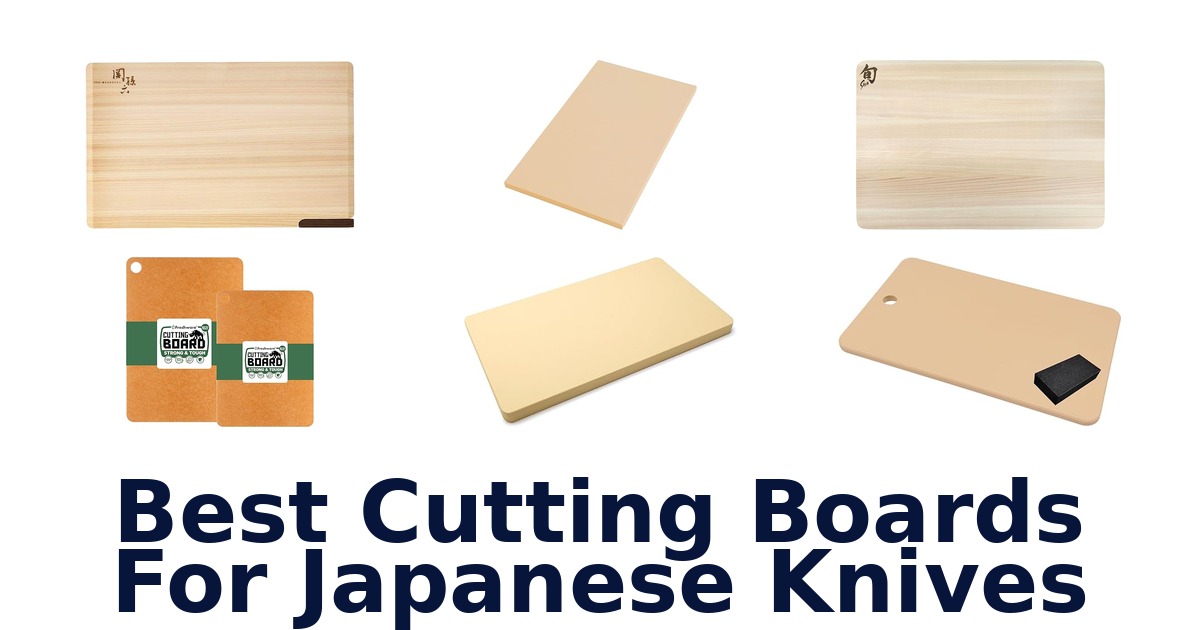
For the best cutting boards for Japanese knives, choose materials that are gentle on your blades, such as the Shun Hinoki Cutting Board or the MIYABI Cutting board. These boards, often made from Hinoki cypress, give as you cut, preserving the sharp edges characteristic of high-quality Japanese cutlery. Models like the Asahi Cookin Cut Rubber Cutting Board and Yoshihiro Hi Soft boards also offer excellent edge retention and durability.
Best Cutting Boards for Japanese Knives at a Glance
| Image | Product | Buy |
|---|---|---|
Best Pick 1  | Asahi Cookin Cut Rubber Cutting Board, NE05103, Home Use, Made Best for: Home cooks | Check Price |
Best Pick 2  | Yoshihiro Hi Soft High Performance Professional Grade Cutting Board Japanese Best for: Professionals | Check Price |
Best Pick 3  | Shun Hinoki Cutting Board – Medium – 15.75″ x 10.75″ Best for: Compact kitchens | Check Price |
Best Pick 4  | Hasegawa SD20-4123 W Polyethylene Karugaru White 16.1 x 9.1 inches Best for: Lightweight use | Check Price |
Best Pick 5  | Kitchen Star Tsukihoshi Rubber Cutting Board Made in Japan,Dishwasher-Safe Size:14.96×9.06×0.39inches(385×233×10mm) Best for: Dishwasher safe | Check Price |
How We Picked
To identify the best cutting boards for Japanese knives, we meticulously evaluated numerous options against key consumer priorities: superior build quality, real-world performance, user safety, long-term durability, and distinguishing features. We favored materials like synthetic rubber and Japanese cypress (Hinoki) for their proven gentle impact on knife edges, exemplified by the Asahi Cookin Cut and Shun Hinoki boards. While bamboo and basic wood boards were considered, we ruled out those lacking specific edge-preserving properties or robust construction like the Freshware sets.
The Yoshihiro Hi Soft and Hasegawa models were also strong contenders due to their specialized designs for knife care.
What Most Buyers Get Wrong
Edge Preservation is Paramount
Japanese knives, especially those with very hard steel, demand a cutting board that won’t dull their delicate edges. Boards made from very hard materials like some plastics or glass are the enemy of a sharp blade. Opt for softer materials like synthetic rubber or specific woods known for their gentle impact.
The Yoshihiro Hi Soft and Asahi Cookin Cut boards are excellent examples of materials designed to absorb impact and protect your valuable Japanese knife investments, ensuring they remain sharp for longer.
The “Give” Factor of Hinoki Wood
When choosing a cutting board for your Japanese knives, the subtle give of the material is crucial. Hinoki cypress, famously used in traditional Japanese woodworking, offers a unique resilience. As you slice, the wood fibers slightly compress, cushioning the blade rather than fighting against it.
This characteristic, present in boards like the Shun Hinoki and Kai KAI AP5226, makes a significant difference in maintaining the integrity of your knife’s edge, preventing premature dulling and prolonging its sharpness.
1. Asahi Cookin Cut Rubber Cutting Board, NE05103, Home Use, Made
Best for: gentle on blades, easy to clean.
Asahi Cookin Cut’s synthetic rubber material offers resilience, allowing your Japanese knife to sink slightly without dulling its edge. This unique composition makes it ideal for chefs who prioritize both blade longevity and efficient food preparation.
Constructed from a durable synthetic rubber, this NE05103 model provides a forgiving cutting surface that actively reduces wear on your high-carbon steel blades. Its firm yet yielding texture ensures stability for precise cuts while minimizing microscopic damage to your knife’s edge.
Pros
- Synthetic rubber construction for blade protection
- Durable material for long-term use
- Resilient surface minimizes knife dulling
- Easy to clean and maintain
Cons
- Limited size may not suit large prep tasks
For home cooks who use premium Japanese knives and want to preserve their sharpness, this board offers a practical and blade-friendly solution.
2. Yoshihiro Hi Soft High Performance Professional Grade Cutting Board Japanese
Best for: professional-grade, edge retention.
The Yoshihiro Hi Soft cutting board, measuring 17.3″ x 9.8″ x 0.8″, is engineered with a high-quality synthetic material specifically to preserve the sharp edge of your Japanese knives. Its construction minimizes stress on both the blade and your hand during chopping.
This professional-grade board features a synthetic material designed to absorb impact, extending the lifespan of your high-carbon steel knives. The 0.8-inch thickness provides substantial stability, while its dimensions offer ample space for extensive meal preparation.
Pros
- Optimized for high-carbon steel knives
- Promotes better edge retention
- Reduces hand fatigue during use
- Durable, high-quality synthetic material
Cons
- Not dishwasher safe
Ideal for serious home chefs and professionals employing Japanese knives, this board protects your investment and enhances your cutting experience.
3. Shun Hinoki Cutting Board – Medium – 15.75″ x 10.75″
Best for: natural beauty, blade-friendly.
Crafted from hinoki, a Japanese cypress renowned for its beauty and natural fragrance, this medium 15.75″ x 10.75″ Shun cutting board offers a medium-soft wood surface that yields to your knife. This gentle interaction helps preserve the delicate edge of your Japanese blades.
The FSC-certified hinoki wood provides a non-porous, naturally antimicrobial surface that is pleasant to cut on. Its versatile medium size, 15.75 by 10.75 inches, accommodates a variety of tasks without overwhelming your counter space.
Pros
- Preserves knife edges effectively
- Made from sustainably sourced hinoki cypress
- Natural antimicrobial properties
- Delicate, pleasant natural fragrance
Cons
- Wood requires more careful handwashing
For cooks who appreciate the natural aesthetic and wish to extend the life of their fine Japanese knives, this hinoki board is an excellent choice.
4. Hasegawa SD20-4123 W Polyethylene Karugaru White 16.1 x 9.1 inches
Best for: lightweight, durable hybrid construction.
The Hasegawa SD20-4123, with its 0.8-inch total thickness and dimensions of 16.1 x 9.1 inches, combines polyethylene with a wood core for a lightweight yet robust cutting surface. This hybrid design protects your Japanese knife edges effectively.
This standard polyethylene board features a 5mm thick top layer over a wood core, contributing to its impressive 2.9 lbs weight and resilience. The 16.1 x 9.1 inch surface area is ample for most kitchen preparations, offering a balance of stability and maneuverability.
Pros
- Lightweight for easy handling
- Polyethylene layer protects knife edges
- Durable wood core provides stability
- Easy to clean surface
Cons
- Surface can show cut marks over time
Japanese knife users seeking a lightweight, durable board that offers good blade protection will find this Hasegawa model a practical addition to their kitchen.
5. Kitchen Star Tsukihoshi Rubber Cutting Board Made in Japan,Dishwasher-Safe Size:14.96×9.06×0.39inches(385×233×10mm)
Best for: dishwasher-safe, low water absorption.
This Kitchen Star Tsukihoshi rubber cutting board, measuring 14.96×9.06×0.39 inches, offers a soft impact on your blade, significantly reducing fatigue during extended use. Its near-zero water absorption ensures hygienic food preparation and easy cleaning.
Constructed with a specialized rubber that provides a gentle surface for your Japanese knives, this 0.39-inch thick board minimizes blade stress. The 14.96 x 9.06 inch dimensions offer a generous workspace, and its dishwasher-safe design simplifies cleanup.
Pros
- Soft impact minimizes knife damage
- Dishwasher safe for easy sanitation
- Extremely low water absorption
- Reduces fatigue during long prep sessions
Cons
- Slim profile might feel less substantial for heavy chopping
For those who value ease of cleaning and knife preservation, this dishwasher-safe rubber board is an excellent choice for daily use with Japanese knives.
6. Freshware Bamboo Cutting Board Set of 3, Wooden Cutting Boards

Best for: economical multi-pack, bamboo.
This Freshware Bamboo Cutting Board Set provides three boards, offering versatile options for various food preparation tasks. Bamboo offers a moderately hard surface that is generally considered knife-friendly for everyday use.
This set includes three bamboo cutting boards, enabling you to dedicate separate surfaces for different ingredients and reduce cross-contamination. Bamboo’s natural fibers provide a more forgiving surface than many plastics, helping to maintain the sharpness of your knives.
Pros
- Set of 3 for versatile use
- Eco-friendly bamboo material
- Moderately knife-friendly surface
- Durable for regular chopping
Cons
- Bamboo can eventually dull knives more than softer materials
Ideal for home cooks who want multiple cutting surfaces and a more sustainable option, this bamboo set offers good value for general knife use.
7. Freshware Wood Cutting Boards for Kitchen, Dishwasher Safe, Medium 12″

Best for: two sizes, dishwasher safe.
The Freshware Wood Cutting Board Set, including a medium 12″ x 9″ and a large 15″ x 11.25″ board, is constructed from durable, compressed wood fiber. This material is engineered for longevity and can be safely cleaned in your dishwasher.
These dual-sided boards are BPA-free and dishwasher safe for convenient sanitation. The compressed wood fiber offers a resilient surface suitable for your kitchen knives, with the larger board providing ample space for extensive meal preparation.
Pros
- Dishwasher safe for easy cleaning
- Set includes two convenient sizes
- Durable compressed wood fiber construction
- BPA-free material for safe food contact
Cons
- Compressed fiber might be harsher on delicate Japanese knife edges over time
For users who need a practical, easy-to-clean cutting board set and prioritize convenience, these dishwasher-safe wood fiber boards are a solid choice.
8. Sonder Los Angeles Alfred Cutting Board Made in USA |

Best for: self-healing, end-grain walnut.
Sonder Los Angeles’ Alfred End Grain Walnut cutting board utilizes an end-grain construction known for its remarkable self-healing properties, significantly preserving the sharpness of your Japanese knives. The natural beauty of American Black Walnut adds a touch of elegance to your kitchen.
This premium walnut board features an end-grain pattern where fibers run vertically, allowing knives to glide between them, reducing wear and promoting self-healing. This construction is exceptionally durable and gentle on your blades, maintaining their keen edge for longer periods.
Pros
- End-grain construction protects knife edges
- Self-healing fibers reduce visible cut marks
- Made from durable American Black Walnut
- Elegant aesthetic for the kitchen
Cons
- Requires regular oiling to prevent drying
For enthusiasts of high-end Japanese knives who appreciate meticulous craftsmanship and want to ensure their blades remain exceptionally sharp, this walnut end-grain board is a luxurious option.
9. Kai KAI AP5226 Cutting Board Seki Magoroku Cypress L 15.4

Best for: drying stand, cypress wood.
The Kai Seki Magoroku Cypress Cutting Board, L size, features a unique stand allowing for convenient upright drying and storage. Its Cypress wood construction offers a natural, knife-friendly surface that helps maintain the edge of your Japanese knives.
This L-sized cypress board, protected by a urethane resin coating, prevents water penetration and warping. The angled ends make lifting easy, and its thin, light design (approximately 1.5 x 0.9 x 0.5 inches) ensures comfortable handling during food preparation.
Pros
- Integrated stand for easy drying
- Cypress wood is gentle on blades
- Urethane coating prevents water damage
- Thin and lightweight for handling
Cons
- The urethane coating may eventually wear down
For Japanese knife owners who value convenient storage and drying, and prefer a natural wood surface that protects their blades, this cypress board is a practical choice.
10. MIYABI Cutting board, Hinoki, Large

Best for: native hinoki, simple design.
MIYABI’s Large Hinoki Cutting Board, measuring 40 cm by 25 cm, is crafted from native Japanese cypress, offering a naturally pleasing and knife-friendly cutting surface. This simple, elegant board is made in Seki, Japan, a renowned cutlery-producing region.
Constructed from hinoki wood, this large board provides a generous 40 x 25 cm workspace. The natural properties of hinoki are known for their gentle impact on knife edges, helping to preserve the sharpness of your high-carbon steel blades during use.
Pros
- Native hinoki wood is blade-friendly
- Generous 40 x 25 cm size
- Natural wood surface
- Made in Japan’s cutlery hub
Cons
- Requires handwashing and air drying
For users of Japanese knives who appreciate the aesthetic and protective qualities of hinoki wood, this large MIYABI board offers a straightforward and effective cutting solution.
The Cutting Board Material Trade-Off
When selecting the best cutting boards for Japanese knives, prioritize edge retention above all else. Japanese knives, known for their exceptionally thin and sharp edges, demand a cutting surface that minimizes wear to preserve their keenness. This means leaning towards materials that offer a degree of give upon impact, rather than rigid surfaces that can dull a blade with every slice.
The synthetic rubber of the Asahi Cookin Cut Rubber Cutting Board and the Kitchen Star Tsukihoshi Rubber Cutting Board Made in Japan, with their carefully engineered densities, excel at this, providing a resilient surface designed to cushion the blade. They strike a balance between knife care and user experience, offering a substantial feel without excessive hardness.
Hinoki wood, as exemplified by the Shun Hinoki Cutting Board and the Kai KAI AP5226 Cutting Board Seki Magoroku Cypress L, presents a different approach to edge preservation. This medium-soft wood naturally gives as you cut, absorbing some of the impact and sparing the knife’s delicate edge. While potentially more prone to showing knife marks over time than dense rubber, its natural properties make it a favored choice for those deeply invested in maintaining their Japanese knives’ performance for the long haul.
The MIYABI Cutting board, Hinoki, Large, also falls into this category, leveraging the inherent qualities of Japanese cypress for knife-friendly cutting.
The Hasegawa SD20-4123 W Polyethylene Karugaru White, a polyethylene composite with a wood core, and the Sonder Los Angeles Alfred Cutting Board, an end-grain walnut board, represent alternatives that might appeal for different reasons. Polyethylene, while durable and easy to clean, generally offers less edge protection than softer woods or specialized rubbers, potentially leading to faster dulling of a Japanese knife’s edge. End-grain construction, a hallmark of premium wooden boards, is indeed known for its self-healing properties and gentleness on knives, but its effectiveness hinges heavily on the specific wood density and grain orientation, and the cost can be significantly higher.
Ultimately, the perceived difference in softness between even dense woods and certain synthetic rubbers is often less critical than the board’s overall resilience and tendency to stay flat. A warped or unstable cutting surface, regardless of material, can lead to inconsistent cuts and increased stress on your knife’s edge. While bamboo cutting boards, like the Freshware Bamboo Cutting Board Set of 3, can be visually appealing and offer decent hardness, their rapid absorption of moisture and potential for warping over time make them less ideal partners for high-performance Japanese steel compared to more specifically engineered options.
For those who understand the value of an exquisitely sharp Japanese knife, investing in a surface that actively contributes to edge longevity is paramount.
The Yoshihiro Hi Soft High Performance Professional Grade Cutting Board Japanese, with its emphasis on knife edge durability, stands out as a prime example of a specialized material engineered for this precise concern.
What to Look For in Best Cutting Boards for Japanese Knives
Wood vs synthetic materials
When choosing between wood and synthetic cutting boards for your Japanese knives, prioritize materials that protect your blade’s delicate edge. Hardwoods like maple and cherry offer a forgiving surface that minimizes dulling, unlike glass or stone. Look for dense, closed-grain woods that resist deep scratches and are less porous, promoting better hygiene.
While some composite boards offer good durability, they often come at the expense of edge retention. For superior sharpness longevity and a traditional aesthetic, opt for a solid hardwood board.
These will best preserve the keen edge of your Japanese knives and withstand daily use.
Board thickness and size
The ideal cutting board for your Japanese knives needs both thickness for stability and ample size for efficient prep. A board at least 1.5 inches thick provides a sturdy foundation that resists wobbling during intricate cuts and is less prone to warping. For most home cooks, a surface area of at least 12×18 inches offers enough space for chopping vegetables, slicing proteins, and managing multiple ingredients.
Smaller boards can feel cramped and lead to less precise movements, potentially harming your knife’s edge. Invest in a substantial, thick hardwood board that offers generous working space to accommodate all your Japanese knife tasks comfortably.
Which Should You Choose?
- If you prioritize knife edge longevity above all else, choose a medium-soft wood like Hinoki or a specially formulated synthetic rubber.
- If you need a budget-friendly option for general home use, consider a moderately sized polyethylene board with a wood core.
- If you have limited counter space and value easy drying and storage, look for a thinner cypress board with an integrated stand.
- If you’re looking for a professional-grade board with excellent knife-edge protection and durability, opt for a thicker synthetic rubber board that offers a substantial “give” when cutting.
Quick Best Cutting Boards For Japanese Knives Buying Checklist
- Material Matters: Prioritize dense hardwoods or specialized synthetic materials that are kind to your Japanese knife’s edge.
- Edge Preservation: Choose a board that won’t dull your blades quickly; materials like end-grain wood or softer composites are ideal.
- Stability and Grip: Ensure the board is thick and heavy enough not to slide, or comes with non-slip feet.
- Knife Friendly Surface: Avoid glass, stone, or overly hard plastic that can chip or damage fine blades.
- Maintenance Ease: Consider how simple the board is to clean and maintain to prevent bacteria growth.
- Adequate Size: Select a cutting board large enough for your typical food preparation tasks without feeling cramped.
Frequently Asked Questions
Why Are Wood Cutting Boards Recommended For Japanese Knives?
Wood cutting boards, particularly dense hardwoods like maple, are highly recommended for Japanese knives because they are gentler on the ultra-sharp edges. This material offers a slight give, absorbing some of the impact and helping to maintain blade integrity longer than harder surfaces.
What Makes Certain Synthetic Cutting Boards Suitable For Japanese Knives?
Certain high-density synthetic cutting boards, often made from materials like polypropylene or composite, are suitable because they offer a balance of durability and blade-friendliness. They are designed to reduce friction and wear on fine blade edges while still providing a stable cutting surface.
How Does Cutting Board Hardness Affect Japanese Knife Sharpness?
The hardness of a cutting board significantly impacts Japanese knife sharpness by determining the rate of blade wear. Harder surfaces like glass or granite will dull even the finest Japanese steel much faster, whereas softer woods or specialized composites minimize this abrasion.
What Is The Importance Of Board Thickness For Japanese Knives?
Board thickness is crucial for providing a stable and secure cutting platform, which is especially important when using precision Japanese knives. A thicker board reduces the likelihood of slipping and offers better shock absorption, protecting both the knife and your wrist.
Should Cutting Boards For Japanese Knives Have A Juice Groove?
A juice groove can be beneficial on cutting boards for Japanese knives to contain liquids from meats and fruits, preventing them from spreading onto your countertop. However, it’s not strictly essential and depends on your typical cutting tasks and preference for counter cleanliness.
Final Words
Choosing the right cutting board is paramount for preserving the exquisite sharpness of your Japanese knives. By opting for materials and designs that prioritize edge retention and stability, you ensure both the longevity of your blades and a superior culinary experience. Invest wisely in the best cutting boards for Japanese knives to unlock their full potential in your kitchen.