Best Down To Earth Garden Design: Six Books and Audio Options
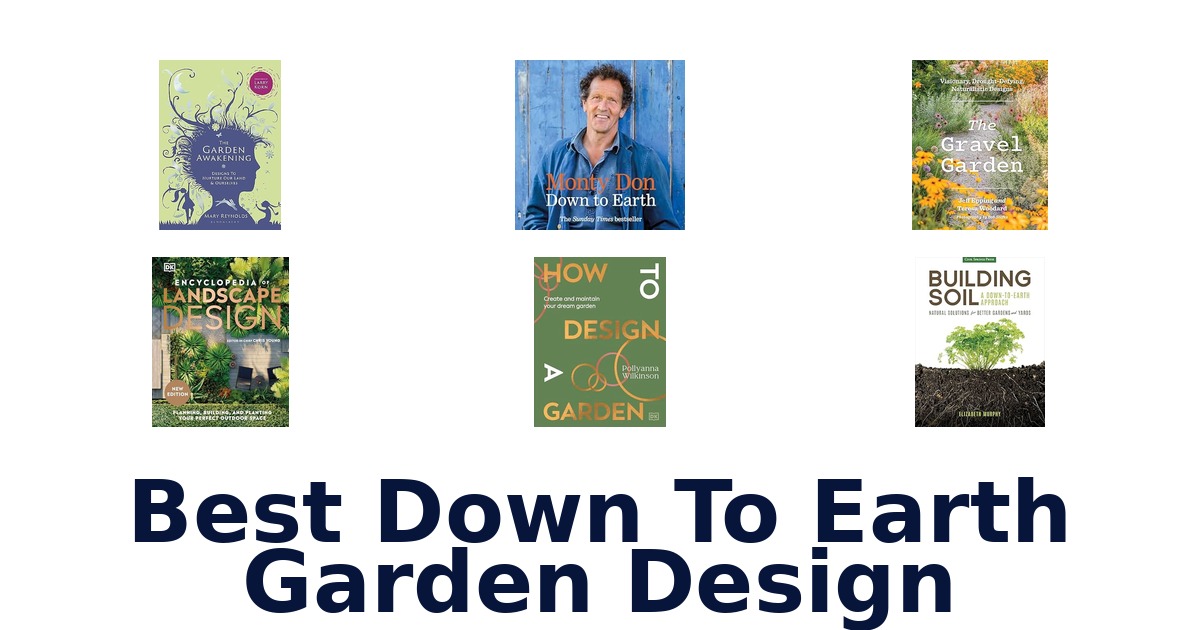
A strong choice for down-to-earth garden design offers guidance that matches your project, whether you need a broad plan, naturalistic planting ideas, or help improving the ground itself. This lineup includes dedicated garden-design books, a landscape-design encyclopedia, natural and drought-defying approaches, a soil guide, and an audiobook. How to Design a Garden: Create and Maintain Your Dream Garden leads for shoppers seeking an all-around design starting point, while the other titles focus on distinct approaches or formats.
Check each title’s emphasis before choosing: a book about soil or gardening wisdom may support a project without providing the same design coverage as a dedicated planning title. The comparisons below clarify which option suits each kind of gardener.
How to Design a Garden is the leading all-around choice because its title explicitly covers designing, creating, and maintaining a dream garden, making it the clearest fit for someone seeking practical design guidance. For a reference-style overview, consider Encyclopedia of Landscape Design; for a naturalistic, drought-defying approach, The Gravel Garden is more focused. The list also includes a nature-centered design book, an audiobook, and a dedicated soil guide, each serving a narrower preference.
Our Top Picks
 Best Overall
Its title directly promises garden design, creation, and maintenance, making it the broadest match for shoppers seeking practical help with a garden project.
View on Amazon Best Reference
Encyclopedia of Landscape Design
The title covers planning, building, and planting an outdoor space, offering a wide-ranging reference scope for people shaping a complete landscape.
View on Amazon Best Dry Garden
Its subtitle specifically identifies drought-defying, naturalistic designs, a clear fit for gardeners interested in gravel-based and water-conscious approaches.
View on Amazon- Nature-Centered Design The Garden Awakening
Compare These Garden Design Picks
| # | Product | Buy |
|---|---|---|
| 1 | 1. How to Design a GardenBest Overall | View on Amazon |
| 2 | 2. Encyclopedia of Landscape DesignBest Reference | View on Amazon |
| 3 | 3. The Gravel GardenBest Dry Garden | View on Amazon |
| 4 |  4. The Garden AwakeningNature-Centered Design | View on Amazon |
| 5 |  5. Down to Earth: Gardening WisdomFor listeners seeking garden wisdom | View on Amazon |
| 6 |  6. Building SoilFor natural soil improvement | View on Amazon |
Detailed Reviews: Best Down To Earth Garden Design
#1 · Best Overall
1. How to Design a Garden
Best for: For design-to-maintenance planners.
Why it ranks #1: Its title directly promises garden design, creation, and maintenance, making it the broadest match for shoppers seeking practical help with a garden project.
Design and maintenance share the focus in Pollyanna Wilkinson’s How to Design a Garden: Create and Maintain Your Dream Garden. That combination makes this hardcover a fit for readers who want to think about a garden’s creation alongside its ongoing care, rather than choosing a title focused only on planting or soil.
The title explicitly pairs garden design with maintenance, connecting the initial planning task to the continuing work of keeping a garden. That makes the book relevant to readers who want both subjects in one resource. Its hardcover format suits a physical book collection or a reading session at home, while buyers seeking an encyclopedia-style landscape reference or a dedicated soil guide may prefer a title with that narrower focus.
- Covers garden design and maintenance together
- Frames the goal as creating a personal garden
- Authored by Pollyanna Wilkinson
- Hardcover format
- Hardcover is less portable than a digital edition.
Skip it if you want landscape planning, building, and planting gathered in an encyclopedia; DK’s Encyclopedia of Landscape Design is the closer match.
Choose this hardcover if you want a garden-design title that also addresses maintenance, with a personal dream-garden framing. It fits readers seeking both themes; consider a landscape encyclopedia if planning, building, and planting are your priority.
Listed on Amazon as: How to Design a Garden: Create and Maintain Your Dream Garden
View on Amazon#2 · Best Reference
2. Encyclopedia of Landscape Design
Best for: For comprehensive landscape projects.
Why it ranks #2: The title covers planning, building, and planting an outdoor space, offering a wide-ranging reference scope for people shaping a complete landscape.
Planning, building, and planting are all named in DK’s Encyclopedia of Landscape Design, giving outdoor-space projects a broad scope in one hardcover. Its encyclopedia format suits readers who want to approach a landscape through several stages, from planning an outdoor space to building and planting it.
The title’s three-part scope links planning with building and planting, so readers can consider more than one phase of an outdoor project in the same book. Its focus on landscape design and an outdoor space makes it a fit for broad project research, while the hardcover format works as a physical reference. Buyers seeking a personal garden-design-and-maintenance focus may find Wilkinson’s title more directly aligned with that aim.
- Covers planning, building, and planting
- Focuses on landscape design
- Addresses outdoor spaces broadly
- Hardcover encyclopedia format
- Its broad landscape scope may be less focused on garden maintenance.
Skip it if you want design and ongoing garden care together; Pollyanna Wilkinson’s How to Design a Garden names both subjects directly.
This hardcover suits readers approaching an outdoor-space project across planning, building, and planting. Choose it for that broad landscape-design remit; if your priority is the continuing care of a personal garden, a maintenance-focused title may fit better.
Listed on Amazon as: Encyclopedia of Landscape Design: Planning, Building, and Planting Your Perfect Outdoor Space
View on Amazon#3 · Best Dry Garden
3. The Gravel Garden
Best for: For drought-conscious gravel gardens.
Why it ranks #3: Its subtitle specifically identifies drought-defying, naturalistic designs, a clear fit for gardeners interested in gravel-based and water-conscious approaches.
Drought-defying, naturalistic designs define The Gravel Garden: Visionary, Drought-Defying, Naturalistic Designs. Jeff Epping and Teresa Woodard’s hardcover is aimed at readers interested in gravel gardens and a naturalistic approach, with drought resistance made explicit in the title’s description of the designs.
The title connects gravel gardening with drought-defying and naturalistic design, giving buyers a specific landscape direction to explore rather than a general garden overview. Those stated themes can help readers assess whether the book matches a dry-garden or gravel-garden project. Its hardcover format offers a physical book for home reference. Readers seeking general landscape planning, building, and planting across outdoor spaces may prefer DK’s broader encyclopedia instead.
- Focuses on gravel gardens
- Names drought-defying designs
- Emphasizes a naturalistic approach
- Authored by Jeff Epping and Teresa Woodard
- Its stated design focus is specifically gravel gardening.
Skip it if you need a broad guide spanning outdoor-space planning, building, and planting; DK’s Encyclopedia of Landscape Design covers those named stages.
This hardcover suits readers exploring naturalistic gravel gardens with drought-defying designs. Its focused subject is useful when that approach matches the project; choose a broader landscape-design reference if your plans extend beyond gravel gardens.
Listed on Amazon as: The Gravel Garden: Visionary, Drought-Defying, Naturalistic Designs
View on Amazon#4 · Nature-Centered Design
4. The Garden Awakening
Best for: For nature-centered garden thinking.
Why it ranks #4: Its subtitle connects garden designs with nurturing land and people, making it relevant to readers drawn to a nature-centered design outlook.
The pairing of land and personal well-being sets The Garden Awakening: Designs to nurture our land and ourselves apart in its stated focus. Mary Reynolds’s hardcover is suited to readers drawn to garden design framed around nurturing both the natural setting and the people who engage with it.
The subtitle explicitly joins designs that nurture the land with designs that nurture ourselves, giving the book a nature-centered and personal framing. That dual emphasis can help readers decide whether they want a garden-design title oriented toward both environmental and human concerns. The hardcover format makes it a physical addition to a home library; those seeking a dedicated guide to soil or a landscape encyclopedia may prefer a more specifically titled resource.
- Connects garden design with nurturing land
- Also emphasizes nurturing people
- Authored by Mary Reynolds
- Hardcover format
- Its stated focus is less specifically about soil-building methods.
Skip it if you want a title specifically about improving garden and yard soil; Elizabeth Murphy’s Building Soil is the closer subject match.
Pick this hardcover if you want garden designs framed around nurturing land and people. Its stated emphasis suits readers seeking that perspective; choose a soil-specific book instead if improving soil is the central task.
Listed on Amazon as: The Garden Awakening: Designs to nurture our land and ourselves
View on Amazon#5
5. Down to Earth: Gardening Wisdom
Best for: For listeners seeking garden wisdom.
Why it ranks #5: The title closely echoes the keyword and offers gardening wisdom, but the listed format is an Audible audiobook and its title does not specify garden design.
An Audible audiobook format makes Monty Don’s Down to Earth: Gardening Wisdom a listening option for people who want gardening content in audio form. Its title signals a broad wisdom-led approach, making it a fit for listeners seeking general gardening perspective rather than a specifically named landscape or soil manual.
The audiobook format lets listeners access this gardening title as audio, rather than as a hardcover or Kindle edition. Its title emphasizes gardening wisdom, which positions it for people seeking a broad gardening-focused listen. The supplied product details identify Monty Don as author and narrator, so his narration is part of the format. Readers who need a visual landscape-design reference or want to browse written soil guidance should consider a print or ebook title instead.
- Audible audiobook format
- Gardening-focused subject
- Monty Don is the author and narrator
- Wisdom-led framing in the title
- Audio format is not a visual reference for browsing designs.
Skip it if you need a landscape-design encyclopedia to consult visually; DK’s Encyclopedia of Landscape Design is the better format and subject fit.
Choose this audiobook if you want gardening content in audio form and prefer Monty Don as narrator. It fits listening-led use; readers who need to inspect visual design material should choose a book format suited to that.
Full product details
| Brand | Monty Don (Author, Narrator), DK (Publisher) Format: Audible Audiobook |
|---|
Listed on Amazon as: Down to Earth: Gardening Wisdom
View on Amazon#6
6. Building Soil
Best for: For natural soil improvement.
Why it ranks #6: This Kindle title focuses on natural solutions for better gardens and yards through soil, rather than garden layout or design itself.
Soil takes center stage in Elizabeth Murphy’s Building Soil: A Down-to-Earth Approach: Natural Solutions for Better Gardens and Yards. This Kindle edition suits readers looking for a natural-solution framing around soil and its role in improving gardens and yards, rather than a general landscape-design overview.
The title links building soil with natural solutions and better gardens and yards, making soil improvement the clear subject for readers to evaluate. That focus can help buyers whose garden work begins with soil rather than layout or planting design. The Kindle format provides a digital edition, while the title’s scope remains specific to soil and garden or yard improvement. Readers seeking a landscape-planning encyclopedia may want a broader design book.
- Focuses on building soil
- Presents a natural-solutions approach
- Connects soil with gardens and yards
- Kindle edition
- Its stated scope is soil-focused, not broad landscape design.
Skip it if you want landscape planning, building, and planting in one reference; DK’s Encyclopedia of Landscape Design addresses those broader stages.
Choose this Kindle edition if improving garden or yard soil through a natural-solutions approach is your priority. Its soil-centered scope is a clear fit for that task; look elsewhere for broad landscape-layout guidance.
Listed on Amazon as: Building Soil: A Down-to-Earth Approach: Natural Solutions for Better Gardens and Yards
View on AmazonAvoid choosing a design book for a soil problem
A design-focused title may not answer a problem that starts below the surface. Building Soil is specifically about natural solutions for better gardens and yards, while How to Design a Garden emphasizes designing, creating, and maintaining a garden. If plants struggle because the soil needs attention, a layout guide alone may leave the underlying issue unresolved.
Conversely, a soil guide is not a substitute for planning an outdoor space: its title points to soil improvement, not layout or planting design. Treat these as different project stages rather than interchangeable books.
First identify whether your main challenge is shaping the space, choosing a design approach, or improving the growing medium. The product data does not specify particular soil types, remedies, or regional suitability, so check the book’s detailed contents if you need advice for a specific site condition.
Match the format to how you will use the guidance
Choose a format you can return to in the way your project requires. Five listed products are hardcover or Kindle books, while Down to Earth: Gardening Wisdom is an Audible audiobook. A spoken format may suit listening when you cannot refer to diagrams or written instructions, but the supplied facts do not confirm whether this audiobook includes visual materials or a transcript.
The hardcover titles may be easier to consult alongside a planning session, though the product data does not describe their illustrations or page layouts. Do not assume that every title offers the same kind of step-by-step detail just because it concerns gardening.
Compare the stated subject and format first: the encyclopedia explicitly covers planning, building, and planting; The Gravel Garden focuses on naturalistic, drought-defying designs; and Building Soil centers on soil. Select for the task you expect to work on, then verify any content-format details that matter to you.
How to Choose a Down-to-Earth Garden Design Book
Design scope
Look for a title whose stated scope matches the size of your project. How to Design a Garden covers designing, creating, and maintaining a garden, while Encyclopedia of Landscape Design names planning, building, and planting an outdoor space. The Garden Awakening focuses on designs that nurture land and people, and The Gravel Garden narrows in on drought-defying, naturalistic designs.
These are distinct scopes rather than interchangeable promises. Choose the broad garden-design title if you want an all-around starting point; favor the encyclopedia if you want landscape planning and planting together; and choose a focused title when your design priorities already point toward nature-centered or gravel-garden ideas.
Design approach
Choose an approach that reflects the conditions and character you want for your garden. The Gravel Garden explicitly presents drought-defying, naturalistic designs, while The Garden Awakening frames design around nurturing land and ourselves. How to Design a Garden and Encyclopedia of Landscape Design describe broader garden or landscape coverage in their titles, without specifying a particular planting philosophy.
That makes the narrower books more relevant when your interest is already clear, but the broader titles stronger candidates when you want a general design resource. If drought response is central, the gravel-garden title is the most directly matched.
If your priority is a wider design process, consider the broader planning titles instead.
Format and project use
Check whether you want a book to consult or an audio format to listen to. The list includes four hardcovers, one Kindle Edition, and one Audible Audiobook, so the format choices range from physical reference to digital reading and listening. The Audible title, Down to Earth: Gardening Wisdom, is a gardening-wisdom audiobook, but the supplied details do not establish that it provides visual design instructions.
The Kindle title, Building Soil, focuses on soil rather than layout. If you need to compare design ideas while planning, a book format may fit better; if listening is your preference and broad gardening wisdom is the goal, the audiobook may suit you.
Verify content details before relying on a format for visual guidance.
Which garden design title should you choose?
Choose How to Design a Garden if you want the clearest all-around match for designing, creating, and maintaining a garden. Pick Encyclopedia of Landscape Design when you want a title whose stated scope spans planning, building, and planting an outdoor space. If your priority is drought-defying, naturalistic design, The Gravel Garden is the more specialized option; choose The Garden Awakening for a design perspective centered on nurturing land and people.
Down to Earth: Gardening Wisdom suits listeners who prefer an audiobook and want gardening wisdom, rather than a title explicitly described as a design guide. For a soil-centered project, Building Soil is the focused choice.
These titles address different needs, so let your immediate task—not just the word garden—guide the decision.
Frequently Asked Questions
How do I plan a garden layout before choosing plants?
Start by defining what the space needs to do, then sketch its layout before selecting plants. Think through how you want to use the area and whether your project is mainly about overall design, planting, or soil. A broad design guide such as How to Design a Garden is the clearest all-around fit here.
Which garden design approach works best for a dry or water-conscious site?
A naturalistic, drought-defying approach is the most focused match for a dry or water-conscious site. The Gravel Garden is the specialized choice among these titles, while How to Design a Garden offers a broader design scope. Let the site’s water conditions and your desired design style guide your choice.
What should I consider before choosing an audiobook instead of a garden design book?
Consider whether you want gardening wisdom in audio form or a title explicitly framed around design. Down to Earth: Gardening Wisdom is the audiobook option, but its stated focus is broader gardening wisdom rather than design guidance. If planning, creating, or maintaining a garden is your main need, choose a design-focused title instead.
When is a landscape design reference a better fit than an all-around guide?
Choose a reference-style overview when you want stated coverage across planning, building, and planting an outdoor space. Encyclopedia of Landscape Design fits that scope. How to Design a Garden is the clearer all-around match when you want guidance framed around designing, creating, and maintaining a garden.
When should I choose a soil-focused gardening book?
Choose Building Soil when improving soil is the immediate focus of your project. Its title emphasizes a down-to-earth approach and natural solutions for gardens and yards, making it the dedicated soil guide in this selection. For broader layout or design decisions, start with a garden design title instead.
Final Words
Choose by the task in front of you: How to Design a Garden is the clearest all-around match for designing, creating, and maintaining a garden. For a broad planning-to-planting overview, consider Encyclopedia of Landscape Design; for naturalistic, drought-defying design, choose The Gravel Garden. The Garden Awakening centers on nurturing land and people, Down to Earth is an audiobook, and Building Soil focuses on soil.
Let that distinction guide your final pick.