Best Flowers For South Africa: Gazanias, Daisies and More
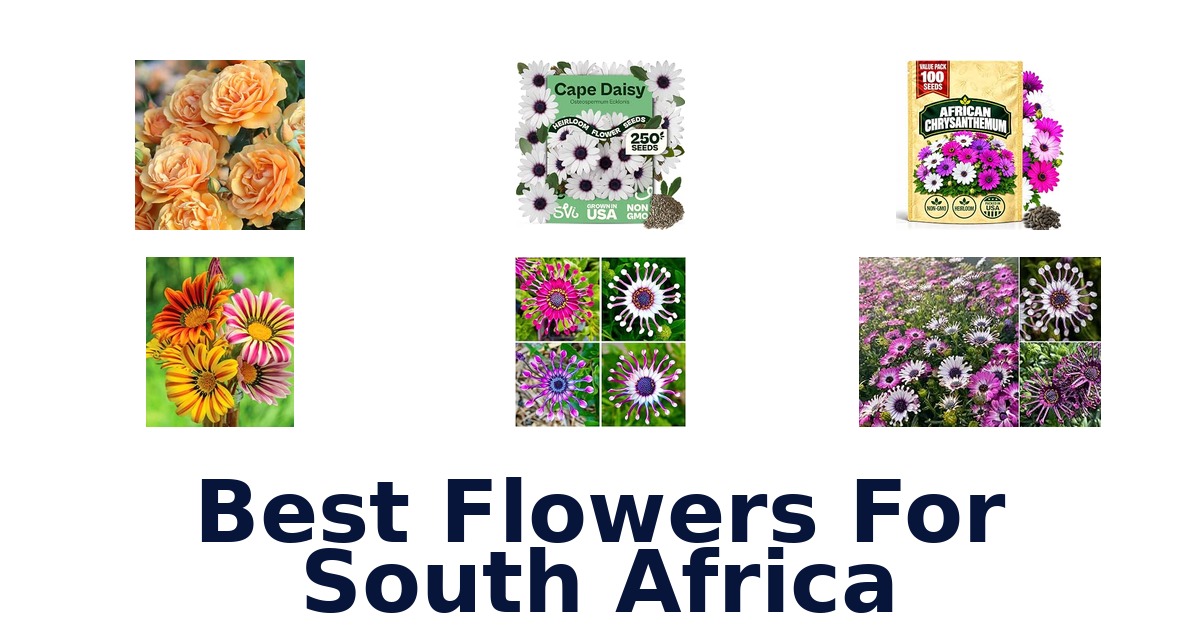
A strong choice for South African-style gardens offers sun-friendly blooms and a format suited to your space, whether you want ground cover, a border display or a live rose. This list compares ten options, including Gazania seeds, African and Cape daisy varieties, marigolds and a fragrant grandiflora rose. The closest match to the search is PeavyTailor Gazania Seeds, which names South Africa in its title and specifies full sun and well-draining soil.
Several daisy seed options also describe drought tolerance or pollinator appeal, while others focus on colors, bloom timing or seed quantity. Product details vary in specificity, so check the plant type and growing instructions rather than relying on broad regional wording alone.
Consider your climate, garden space and whether you prefer seeds or an established plant before choosing.
PeavyTailor Gazania Seeds is the strongest direct match for Best Flowers For South Africa: its product title explicitly references South Africa, and its care instructions call for full sun and well-draining soil. The striped mix is presented as a ground-cover option for beds, borders and containers, making it versatile for different garden layouts. If you prefer daisy-like flowers, several African daisy choices offer alternatives, including drought-tolerant varieties and a Cape daisy with a stated compact size.
Our Top Picks
 Best Overall
The title directly names South Africa, and the product specifies full sun, well-draining soil and use as ground cover in beds, borders or containers.
View on Amazon Drought-Tolerant Pick
Generic Rare African Daisy Seeds
This perennial African daisy is described as drought-tolerant and suitable for borders, rock gardens and containers, with sun and moderate-watering guidance.
View on Amazon Colorful Mix
Generic Mixed African Daisy Seeds
The non-GMO perennial mix lists orange, yellow, pink, purple and white blooms, plus full-sun care and suitability for containers, rock gardens and borders.
View on Amazon- Long Blooming SPROUTARAQ African Daisy Seeds
- Compact Cape Daisy SVI Cape Daisy Seeds
Compare the flowers and choose the right fit for your garden
| # | Product | Material Feature | Material Features | Buy |
|---|---|---|---|---|
| 1 | 1. PeavyTailor Gazania SeedsBest Overall | GMO Free | GMO Free | View on Amazon |
| 2 | 2. Generic Rare African Daisy SeedsDrought-Tolerant Pick | GMO Free | GMO Free | View on Amazon |
| 3 | 3. Generic Mixed African Daisy SeedsColorful Mix | GMO Free | GMO Free | View on Amazon |
| 4 |  4. SPROUTARAQ African Daisy SeedsLong Blooming | — | — | View on Amazon |
| 5 |  5. SVI Cape Daisy SeedsCompact Cape Daisy | GMO Free, Heirloom | GMO Free, Heirloom | View on Amazon |
| 6 |  6. Wily Fox African Daisy SeedsWhite Cape Daisy borders | GMO Free | GMO Free | View on Amazon |
| 7 |  7. TomorrowSeeds African Daisy MixHigh-count sunny annual carpet | GMO Free | GMO Free | View on Amazon |
| 8 |  8. BuggyBeds South African Marigold SeedsWarm-toned summer pots | GMO Free | GMO Free | View on Amazon |
| 9 |  9. HOME GROWN African Marigold SeedsLarge heirloom marigold sowing | GMO Free, Heirloom | GMO Free, Heirloom | View on Amazon |
| 10 |  10. Heirloom Roses Sunbelt South AfricaFragrant golden-yellow rose | Heirloom | Heirloom | View on Amazon |
Detailed Reviews: Best Flowers For South Africa
#1 · Best Overall
1. PeavyTailor Gazania Seeds
- Material Feature: GMO Free
- Material Features: GMO Free
Best for: Striped ground-cover beds.
Why it ranks #1: The title directly names South Africa, and the product specifies full sun, well-draining soil and use as ground cover in beds, borders or containers.
Striped Gazania blooms are the defining feature of PeavyTailor’s seed mix, bringing vivid pattern and color to beds, borders, and containers. The listing emphasizes easy cultivation, so it suits gardeners seeking a decorative flower from seed without a complicated care routine, provided the planting spot offers the stated growing conditions.
The listing specifies full sun and well-draining soil, giving buyers a clear site requirement before sowing and helping avoid a planting area that conflicts with the stated care. Its striped mix is presented for flower beds, borders, and containers, making it useful across several outdoor display types. The seeds are described as easy to grow and maintain, which can simplify the choice for beginners as well as experienced gardeners. Deer resistance is also listed as a special feature.
- Striped mix offers distinctive flower patterning
- Listed for beds, borders, and containers
- Described as easy to grow and maintain
- Deer resistance is listed
- Needs full sun and well-draining soil.
Skip it if you need flowers for a shaded or poorly drained site; this listing specifies full sun and well-draining soil.
Choose this seed mix if striped color is your priority for a sunny bed, border, or container and you want an easy-care growing option. Its stated site requirements make it a poor fit for shade or soil that stays wet.
Full product details
| Brand | PeavyTailor |
|---|---|
| Material Feature | GMO Free |
| Material Features | GMO Free |
| Special Features | Deer Resistant |
| Care Instructions | Thrives in full sun and well-draining soil |
| Special Feature | Deer Resistant |
Listed on Amazon as: 100 Gazania Seeds Striped Mix Flower Ground Cover Plants Rare Easily Grow South Africa
View on Amazon#2 · Drought-Tolerant Pick
2. Generic Rare African Daisy Seeds
- Material Feature: GMO Free
- Material Features: GMO Free
Best for: Sunny pollinator borders.
Why it ranks #2: This perennial African daisy is described as drought-tolerant and suitable for borders, rock gardens and containers, with sun and moderate-watering guidance.
Sun-loving African Daisy seeds paired with a stated 145-plus perennial quantity make this listing suited to gardeners planning a lasting border or rock-garden display. The care directions call for lightly covering the seeds in well-draining soil and keeping them moist without waterlogging, giving sowers practical guidance from the outset.
The listing recommends a light soil covering and consistently moist, not waterlogged, conditions during sowing, which helps clarify the initial watering routine. Afterward, it advises moderate watering and letting the soil surface dry before watering again, a useful maintenance cue for garden beds, borders, and edging. Full sunlight is specified, and the flowers are described as compact. Pollinator attraction is listed, making this a fit for gardeners who want blooms as part of a pollinator-oriented planting.
- 145-plus perennial seeds listed
- Sowing directions specify light soil covering
- Water moderately after establishment
- Pollinator attraction is listed
- Requires a full-sun site.
Skip it if you have a shaded planting area; the care instructions say these daisies thrive in sunlight.
This is a sensible option for a sunny border, rock garden, or edging where perennial African Daisies and pollinator attraction are wanted. Its sunlight requirement is an important site-fit consideration before sowing.
Full product details
| Brand | Generic |
|---|---|
| Manufacturer | Generic |
| Material Feature | GMO Free |
| Material Features | GMO Free |
| Special Features | Attracts Pollinators |
| Special Feature | Attracts Pollinators |
Listed on Amazon as: 145+ Perennial Rare African Daisy Flower Seeds for Planting Outdoor – Drought-Tolerant, Ideal for Borders, Rock Gardens & Containers, Attracts Pollinators
View on Amazon#3 · Colorful Mix
3. Generic Mixed African Daisy Seeds
- Material Feature: GMO Free
- Material Features: GMO Free
Best for: Colorful container seed mix.
Why it ranks #3: The non-GMO perennial mix lists orange, yellow, pink, purple and white blooms, plus full-sun care and suitability for containers, rock gardens and borders.
A mix spanning orange, yellow, pink, purple, and white is the chief appeal of these 300-plus African Daisy seeds, offering varied color for containers, rock gardens, and borders. The listing also provides a specific sowing depth of about 0.5 cm, giving gardeners a practical starting instruction rather than a vague seed-covering guideline.
The approximately 0.5 cm sowing depth and advice to keep soil moist without overwatering make the initial seed-sowing routine more actionable. The listing says to avoid extremely cold or hot sowing conditions, then recommends full sun and regular watering once seedlings are established, especially during dry periods. Good drainage is also called for. With containers, rock gardens, and borders named as uses, buyers can plan the mix across several garden settings while accounting for these care needs.
- 300-plus seeds listed
- Five flower colors specified
- Sowing depth given as about 0.5 cm
- Suitable for containers, rock gardens, and borders
- Sowing is discouraged in extremely cold or hot weather.
Skip it if you need to sow during extreme heat or cold; the listing advises avoiding both conditions for sowing.
Choose this mix if varied colors and several planting options matter, and you can follow its depth, moisture, drainage, and sunlight guidance. Avoid planning sowing during the extreme temperatures named in the instructions.
Full product details
| Brand | Generic |
|---|---|
| Manufacturer | Generic |
| Material Feature | GMO Free |
| Material Features | GMO Free |
| Special Features | Attracts Pollinators |
| Special Feature | Attracts Pollinators |
Listed on Amazon as: 300+ Mixed African Daisy Flower Seeds for Planting – Drought Tolerant, Versatile for Containers, Rock Gardens, and Borders – Non-GMO Perennial Variety
View on Amazon#4 · Long Blooming
4. SPROUTARAQ African Daisy Seeds
Best for: Long-season mixed daisies.
Why it ranks #4: The mixed Osteospermum listing describes blooms from late spring through fall and heat and drought tolerance, with colors including purple, pink and yellow.
A late-spring-through-fall flowering season sets SPROUTARAQ’s mixed African Daisy seeds apart, offering an extended span of garden color in the listing. The mix includes purple, pink, orange, white, and yellow blooms, often with blue or purple centers, giving buyers a varied palette for gardens and containers.
The listed flower colors and contrasting centers make this a choice for gardeners who want variation rather than one uniform bloom shade. The description says flowering runs from late spring through fall, giving a broad seasonal display window for gardens and containers. Heat and drought tolerance are stated, along with minimal water needs once plants are established, which can reduce routine watering in suitable hot, sunny conditions. Planting information advises sowing indoors six to eight weeks before last frost or outdoors in spring after frost risk passes.
- Mixed flowers in five stated colors
- Bloom season listed from late spring through fall
- Heat and drought tolerant
- Indoor and outdoor sowing timing provided
- Outdoor sowing is specified only after danger of frost has passed.
Skip it if you need to direct-sow outdoors before frost danger has passed; the instructions place outdoor sowing after that point.
Pick these seeds for a varied-color African Daisy display with an extended listed season and heat- and drought-tolerance claims. Follow the stated frost timing if starting outdoors, or use the indoor sowing schedule.
Full product details
| Brand | SPROUTARAQ |
|---|---|
| Color | Mixed |
| Item Weight | 9.07 g |
| Manufacturer | GraceBee |
Listed on Amazon as: 100+ Mixed African Daisy Seeds Osteospermum ecklonis Cape Daisy Flowers for Cut Garden Plant
View on Amazon#5 · Compact Cape Daisy
5. SVI Cape Daisy Seeds
- Material Feature: GMO Free, Heirloom
- Material Features: GMO Free, Heirloom
Best for: Compact Cape Daisy clumps.
Why it ranks #5: This Cape daisy specifies 12–18-inch plant height and a 12–24-inch spread, with white flowers, deep purple centers and an extended bloom time.
Neat clumps measuring 12–18 inches tall with a 12–24 inch spread distinguish SVI’s Cape Daisy seeds, helping gardeners plan spacing for borders, beds, and containers. The white flowers with deep purple centers bloom from early to late summer, while the listing identifies the plants as perennial.
The listed height and spread offer practical dimensions for fitting these Cape Daisies into a border edge, container, or mass planting without relying on guesswork about mature shape. Their compact clumping habit supports a tidy planting arrangement, while the stated early-to-late-summer bloom period indicates when the white, purple-centered flowers are expected. The pack is described as 250 heirloom seeds, and its planting guide on the packet gives buyers instructions at sowing time. Pollinator attraction and fragrance are also listed.
- 250 Cape Daisy seeds listed
- Perennial with early-to-late-summer bloom
- Height and spread specifications provided
- Planting guide included on packet
- The listed bloom period is early to late summer.
Skip it if you want flowers specified to bloom beyond early-to-late summer; that is the bloom window listed for these daisies.
This fits gardeners who want a dimensioned, clumping Cape Daisy for borders, containers, or mass planting, with a packet guide for sowing. Its stated flowering window is early to late summer.
Full product details
| Brand | SVI |
|---|---|
| Color | White |
| Manufacturer | SVI |
| Material Feature | GMO Free, Heirloom |
| Material Features | GMO Free, Heirloom |
| Special Features | Attracts Pollinators, Easy to Grow, Extended Bloom Time, Fragrant, Planting Guide on Pack |
| Care Instructions | Clear planting guidance on every seed packet make growing simple from day one. |
| Special Feature | Attracts Pollinators, Easy to Grow, Extended Bloom Time, Fragrant, Planting Guide on Pack |
Listed on Amazon as: SVI 250 Cape Daisy Heirloom Flower Seeds, Osteospermum ecklonis
View on Amazon#6
6. Wily Fox African Daisy Seeds
- Material Feature: GMO Free
- Material Features: GMO Free
Best for: White Cape Daisy borders.
Why it ranks #6: The heirloom, non-GMO Osteospermum ecklonis listing describes white daisy-like flowers with dark blue to purple centers and low-maintenance care.
White daisy-like petals around a dark blue-to-purple center define Wily Fox’s African Daisy seeds, sold as Osteospermum ecklonis or Cape Marguerite. The classic contrasting flower form gives borders and beds a clear color scheme, while the listing identifies the seed as heirloom and non-GMO.
This 100-count listing offers a named African Daisy type, Osteospermum ecklonis, rather than an unspecified flower mix, helping buyers choose for the stated white-petal, dark-centered look. The description places the flowers in beds, borders, and landscape spaces, so the same visual style can be carried through several garden settings. High germination rate and low maintenance are listed features, which support a seed-starting option aimed at manageable cultivation. Fragrance is also included among the special features.
- 100-count seed listing
- Named as Osteospermum ecklonis
- White petals with dark blue-purple center
- Listed as heirloom and non-GMO
- The supplied details give no specific sunlight or watering instructions.
Skip it if you need explicit sowing, sunlight, or watering directions in the product details; none are provided here.
Select these seeds if you want the specified white Cape Daisy with a dark center for borders or landscape spaces, and value a named heirloom type. The supplied facts do not offer detailed site-care instructions.
Full product details
| Brand | Wily Fox |
|---|---|
| Color | X |
| Manufacturer | Wily Fox |
| Material Feature | GMO Free |
| Material Features | GMO Free |
| Special Features | Fragrant, High Germination Rate, Low Maintenance |
| Special Feature | Fragrant, High Germination Rate, Low Maintenance |
| Style | A1 |
| Style Name | A1 |
#7
7. TomorrowSeeds African Daisy Mix
- Material Feature: GMO Free
- Material Features: GMO Free
Best for: High-count sunny annual carpet.
Why it ranks #7: This mix offers orange, yellow, apricot or white annual blooms, described as drought-tolerant and low-maintenance, with pollinator appeal and garden versatility.
The 4,500-plus seed count gives TomorrowSeeds’ African Daisy Mix its clearest practical distinction for gardeners planning a broad planting. The listing describes orange, yellow, apricot, or white annual blooms, with a 12–18-inch height and roughly 12-inch spread, helping buyers picture the scale of the resulting display.
The annual mix is described as a low-maintenance, drought-tolerant flower that blooms continuously through the growing season, making it relevant for gardeners seeking sustained seasonal color with limited watering after establishment. The stated 12–18-inch height and approximately 12-inch spread help with placement in borders or containers, both listed uses. Its orange, yellow, apricot, or white daisy-like flowers are described as 2–4 inches wide, and the mix is said to attract bees and butterflies.
- 4,500-plus seeds listed
- Annual flowers in four stated color options
- Flower size and plant dimensions provided
- Pollinator attraction is listed
- These are annual flowers, rather than a listed perennial variety.
Skip it if you want a perennial flower planting; this mix is identified as an annual, while SVI Cape Daisy Seeds are listed as perennial.
This suits gardeners planning a broad, sunny-season display in borders or containers, particularly when annual color and a high seed count are priorities. Choose another type if perennial return is essential.
Full product details
| Brand | TomorrowSeeds |
|---|---|
| Color | Orange,Yellow |
| Manufacturer | TomorrowSeeds |
| Material Feature | GMO Free |
| Material Features | GMO Free |
Listed on Amazon as: African Daisy Mix Seeds – 4500+ Count – for 2026 Planting Cape Marigold Rain Namaqualand Yellow Orange Sunflower Dimorphotheca Annual Flower Grow Your Own Home Farm Patio Healthy
View on Amazon#8
8. BuggyBeds South African Marigold Seeds
- Material Feature: GMO Free
- Material Features: GMO Free
Best for: Warm-toned summer pots.
Why it ranks #8: The product explicitly identifies South African marigolds and promises orange and yellow annual blooms for beds and pots, though care specifics are limited.
Orange and yellow blooms give BuggyBeds South African Marigold seeds their clearest appeal, bringing warm color to garden beds and pots. The listing calls them easy-growing annual flower seeds for summer decor, making them a straightforward choice for gardeners who want seasonal color in either planted borders or containers.
The pack is presented as 50 seeds, with orange and yellow flowers intended for beds and pots. That makes it possible to use the same seasonal color theme in a garden border and a container display. The product description calls cultivation easy for novice and experienced gardeners and describes germination as reliable, supporting a seed-starting choice for different experience levels. Its non-GMO designation is also stated, while the care label is simply “Easy-Care.”
- Orange and yellow flower colors
- Suitable for garden beds and pots
- Described as easy to grow
- Listed as non-GMO
- The listing identifies these as annual flowers, not perennials.
Skip it if you want a perennial planting that returns across seasons; these marigolds are identified as annual flower seeds.
Pick these seeds for warm-toned seasonal displays in beds or pots, especially if an easy-growing annual suits your garden plan. They are not the match for gardeners specifically seeking perennial flowers.
Full product details
| Brand | BuggyBeds |
|---|---|
| Item Weight | 13.61 g |
| Manufacturer | BuggyBeds |
| Material Feature | GMO Free |
| Material Features | GMO Free |
| Special Features | Non-GMO |
| Care Instructions | Easy-Care |
| Special Feature | Non-GMO |
| Style | Exotic African Blooms |
| Style Name | Exotic African Blooms |
Listed on Amazon as: 50pcs South African Marigold Seeds – Vibrant Orange & Yellow Blooms Annual Flower Seeds for Garden Beds & Pots – Ideal for Summer Decor & Gift Gardening
View on Amazon#9
9. HOME GROWN African Marigold Seeds
- Material Feature: GMO Free, Heirloom
- Material Features: GMO Free, Heirloom
Best for: Large heirloom marigold sowing.
Why it ranks #9: These non-GMO, untreated heirloom African marigold seeds include a stated high germination rate, pollinator attraction and a comprehensive online grow guide.
The 5,600-plus seed count is the most concrete distinction of HOME GROWN’s Crackerjack African Marigold mix, giving gardeners a substantial quantity for larger sowings. The product is described as untreated, non-GMO heirloom seed, with pollinator attraction and low maintenance listed among its features for garden planning.
The stated quantity can support planting across multiple areas or a broad marigold display, while the mix designation indicates a multi-color selection rather than a single named hue. Listed features include pollinator attraction, low maintenance, and a high germination rate, each relevant to choosing flowers for a garden scheme. The product also includes access to a comprehensive online grow guide, which offers growing guidance alongside the seeds. The listing identifies the seeds as untreated and heirloom.
- 5,600-plus seeds listed
- Untreated, non-GMO heirloom seeds
- Pollinator attraction is listed
- Online grow guide included
- The listing provides no specific sunlight or soil-care instructions.
Skip it if you need listed sunlight and soil requirements before choosing seeds; this product description does not specify them.
Choose this mix when a substantial quantity of heirloom marigold seed and an online growing guide suit your planting plans. Buyers who need precise sun and soil directions should note that those details are not supplied here.
Full product details
| Brand | HOME GROWN |
|---|---|
| Color | Multi |
| Manufacturer | HOME GROWN |
| Material Feature | GMO Free, Heirloom |
| Material Features | GMO Free, Heirloom |
| Special Features | Attracts Pollinators, High Germination Rate, Includes a Comprehensive Online Grow Guide Designed to Maximize Yields and Support Confident Growing, Low Maintenance, Proudly Made in the USA |
| Care Instructions | Comes with a BONUS grow guide that walks you through detailed steps from sowing to harvest! |
| Special Feature | Attracts Pollinators, High Germination Rate, Includes a Comprehensive Online Grow Guide Designed to Maximize Yields and Support Confident Growing, Low Maintenance, Proudly Made in the USA See more |
| Style Name | Marigold |
Listed on Amazon as: HOME GROWN Crackerjack African Marigold Seeds, 5,600+ Seeds, Tagetes erecta
View on Amazon#10
10. Heirloom Roses Sunbelt South Africa
- Material Feature: Heirloom
- Material Features: Heirloom
Best for: Fragrant golden-yellow rose.
Why it ranks #10: The live fragrant rose has a South Africa name and continual blooms, but its stated hardiness zones are 6–10, making regional suitability less clear.
A fragrant, continually blooming golden-yellow Grandiflora is the defining draw of Heirloom Roses Sunbelt South Africa. Unlike a seed packet, this arrives as a live own-root plant in a one-gallon container with rich soil, enabling buyers to start with an established rose rather than sowing and raising one from seed.
The listing describes a 12–16-month-old live own-root plant, with roots, stems, and flowers all from the same variety; that uniform origin is associated with producing more blooms. Its continual flowering through the growing season can provide an ongoing display rather than a single flush. The one-gallon container and rich soil give the buyer a potted starting plant, while the stated hardiness range of zones 6–10 provides a climate suitability check before selection.
- Live own-root rose plant
- Golden-yellow flowers
- Fragrant and continually blooming
- Listed for hardiness zones 6–10
- The stated hardiness range is limited to zones 6–10.
Skip it if you garden outside hardiness zones 6–10; the listed range does not cover your climate.
This suits rose growers wanting a fragrant, golden-yellow live plant and continuing seasonal blooms, with an own-root start instead of seed sowing. Check that your location falls within the stated zones 6–10.
Full product details
| Brand | Heirloom Roses |
|---|---|
| Color | Golden Yellow |
| Manufacturer | Heirloom Roses |
| Manufacturer Warranty Description | Subject to Amazon's 30 day warranty. Void if granular fertilizer has been used. |
| Material Feature | Heirloom |
| Material Features | Heirloom |
| Special Features | Fragrant |
| Special Feature | Fragrant |
Listed on Amazon as: Heirloom Grandiflora Roses, Live Own Root Plant, Sunbelt® South Africa®
View on AmazonAvoid confusing similar African daisy seed listings
Check the botanical name and stated life cycle before treating African daisy products as interchangeable. Wily Fox and SVI both name Osteospermum ecklonis, while TomorrowSeeds describes a Dimorphotheca annual mix; those labels indicate different plant descriptions in this roundup. Generic African daisy listings also vary: one calls its variety perennial, and another describes a non-GMO perennial mix without giving a botanical name.
A common failure is choosing by flower color or the phrase African daisy alone, then expecting the growth habit or seasonal behavior described by another packet. Match the listing’s own instructions and plant type to your intended use, and confirm local sowing advice for your conditions.
The SVI listing gives a compact height and spread, while several other entries do not provide mature dimensions, so allow more space when the final size is unspecified.
Plan around sunlight, drainage and local conditions
Choose a sunny, well-drained planting position where the product’s care notes support it, but do not assume that regional wording guarantees suitability for every South African location. PeavyTailor specifies full sun and well-draining soil; the Generic African Daisy products also call for sun and caution against waterlogged soil. SPROUTARAQ describes heat and drought tolerance, but its planting notes still advise sowing after frost danger has passed or indoors beforehand.
That timing may not translate directly to every local climate, so use locally appropriate sowing guidance rather than importing a northern-hemisphere frost calendar unchanged. Another trap is interpreting drought tolerance as permission to neglect young seedlings: the seed instructions for the Generic daisies call for moist soil during establishment.
Provide suitable drainage and moderate water while plants establish, then adjust care to the particular variety and local conditions.
How to Choose Flowers for a South African Garden
Match the flower type to your garden plan
Start by choosing between ground cover, a daisy display, marigolds or a live rose. PeavyTailor Gazania Seeds are described for ground cover as well as beds, borders and containers; the African daisy seed listings focus on borders, rock gardens, containers or general beds. BuggyBeds South African Marigold Seeds are presented for garden beds and pots, while the Heirloom Roses Sunbelt South Africa is a live own-root plant in a one-gallon container.
Buyers filling open areas can favour the ground-cover or mixed-seed options, while those seeking a particular established specimen can consider the rose. SVI Cape Daisy Seeds state a 12–18-inch height and 12–24-inch spread, helpful when planning a compact planting.
Several other listings provide no mature dimensions, so leave room for growth when size is unspecified.
Compare drought claims with establishment care
Look for both established-plant tolerance and seedling instructions, since they are not the same thing. Generic Rare African Daisy Seeds and SPROUTARAQ African Daisy Seeds explicitly describe drought tolerance; TomorrowSeeds African Daisy Mix also says it is low-maintenance and drought-tolerant. By contrast, PeavyTailor Gazania Seeds specify full sun and well-draining soil but do not make a drought-tolerance claim in the supplied care details.
The Generic daisy instructions ask for consistently moist, not waterlogged soil during sowing, and SPROUTARAQ advises minimal water once established. Choose the more explicit drought-tolerant listings if you want flowers for a dry, sunny spot, but plan to water seedlings as directed.
If your space has poor drainage or limited sun, the listed care details do not establish that any option will thrive there.
Choose seed quantity and guidance carefully
Compare the stated quantity and instructions, but do not treat a larger packet as proof of better garden performance. HOME GROWN African Marigold Seeds lists 5,600+ seeds, TomorrowSeeds African Daisy Mix lists 4,500+, and SVI Cape Daisy Seeds lists 250; other listings state 145+, 300+ or 100 counts in their titles. Quantity can suit a broad sowing area, while a smaller stated count may be easier to plan for a contained planting.
Packet guidance also varies: SVI says it includes a planting guide, and HOME GROWN mentions a comprehensive online grow guide. Prefer those when you value explicit support, while buyers choosing a large area may favour the higher stated counts.
Check the exact product title and packet details because counts differ and the Gazania listing’s title and description do not agree on quantity.
Which flowers should I choose for my garden?
For the closest direct match to the search, choose PeavyTailor Gazania Seeds: the title names South Africa, and care guidance specifies full sun and well-draining soil. For sunny, potentially dry areas, Generic Rare African Daisy Seeds or SPROUTARAQ African Daisy Seeds are better supported by explicit drought-tolerance claims. Choose SVI Cape Daisy Seeds if stated mature dimensions matter; its listing gives a 12–18-inch height and 12–24-inch spread.
For a broad, colorful annual display, consider TomorrowSeeds African Daisy Mix, or BuggyBeds South African Marigold Seeds for orange and yellow marigolds in beds or pots. If you want a live flowering plant rather than seeds, Heirloom Roses Sunbelt South Africa offers a fragrant, continually blooming rose, but check whether its stated hardiness zones 6–10 suit your location.
Related Buying Guides
Frequently Asked Questions
When should I sow South African flower seeds in my local climate?
Use the sowing directions on the specific seed packet and match them to your local conditions; the listings here do not give a single sowing window for every variety or climate. Check local frost timing and seasonal guidance before planting, especially when choosing between annual and perennial flowers.
Which flowers in this roundup can tolerate dry spells once established?
The two listings that explicitly describe drought tolerance are the Rare African Daisy Seeds and the Mixed African Daisy Flower Seeds. Their titles support considering them for potentially dry areas, but do not give a watering schedule or promise that young plants can withstand dry spells. Follow the packet’s care instructions.
How can I tell whether African daisies will return as perennials where I live?
Check the exact listing and seed packet for perennial status, then confirm that its growing requirements suit your local conditions. Some roundup listings describe their African daisies as perennial, but no hardiness zones are provided for these seed choices. If local winter suitability is unclear, consult regional planting guidance before relying on return growth.
Should I choose seeds or a live flowering plant?
Choose seeds if you want to grow flowers from seed, including gazanias, marigolds, or African daisies. The Heirloom Roses Sunbelt South Africa listing is the live-plant option and describes a fragrant, continually blooming rose. Its stated hardiness zones are 6–10, so check that they suit your location before choosing it.
What conditions are listed for the South Africa gazania seeds?
The gazania listing calls for full sun and well-draining soil. Its striped mix is presented as a ground-cover option for beds, borders, and containers, so it can suit different garden layouts. Use those care requirements to assess whether the planting spot is appropriate, and check the packet for further growing directions.
Final Words
For the closest match to the search, choose the PeavyTailor gazania seeds: the title names South Africa, and the care guidance specifies full sun and well-draining soil. For sunny areas that may have dry spells, consider the African daisy options explicitly described as drought-tolerant. Choose the Cape daisy if listed mature dimensions matter, or the live Sunbelt rose if you want a flowering plant and its stated zones suit your location.